06.11.25
When One Partner Is Out and the Other Isn’t: Navigating the Coming Out Imbalance
Last Updated 15.10.25
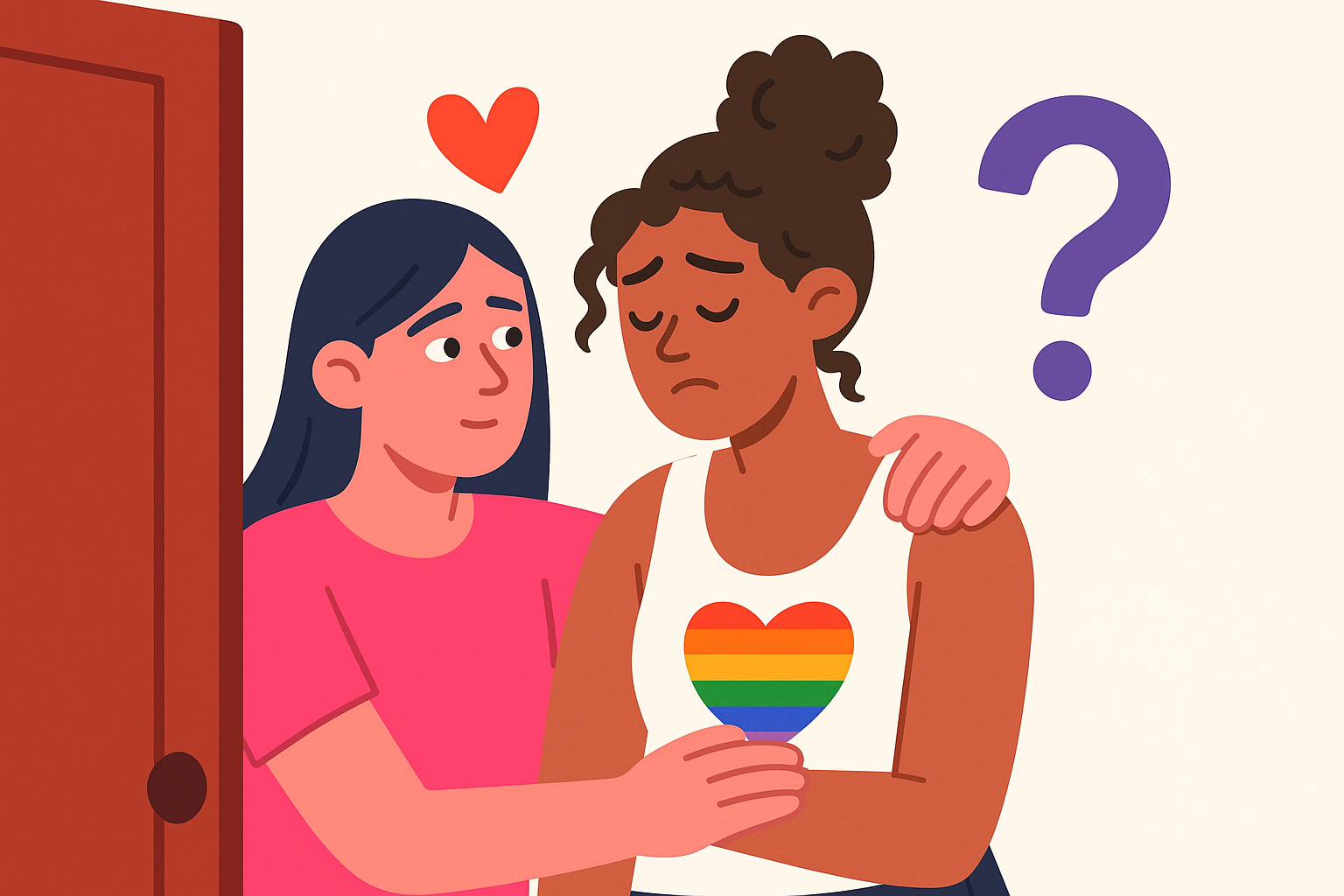
You’re at a friend’s party. Your partner is laughing with a group across the room, and someone asks you, “So how do you two know each other?” You freeze. Are you roommates? Old friends? Colleagues? Your partner hasn’t looked over, so you can’t catch their eye for guidance. You mumble something vague and change the subject, feeling like a coward and a liar at the same time.
If this scenario makes your stomach clench, you’re not alone. The coming out imbalance—when one partner is openly LGBTQ+ and the other isn’t—is one of the most common sources of friction in queer relationships. It’s not about one person being “brave” and the other being “scared.” It’s about two people with different circumstances, different risks, and different timelines trying to build a life together.
Why This Happens More Often Than You Think
Let’s be clear: coming out isn’t a one-time event or a moral obligation. It’s a continuous process that depends heavily on context. Someone might be out to friends but not family. Out online but not at work. Out in the city but not in their hometown.
The reasons for staying closeted are practical and varied. Maybe your partner works in a conservative industry where being out could genuinely cost them their job—and yes, this still happens even in places with legal protections. Maybe their family has made it clear that coming out would mean losing financial support, housing, or relationships with siblings and nieces they love. Maybe they’re still figuring things out themselves and aren’t ready to handle other people’s reactions while dealing with their own feelings.
Some people also just don’t see their sexuality or gender identity as anyone’s business. They’re not hiding—they’re just private. That’s valid too, even if it’s not how you operate.
The Real Challenges This Creates
The problems that arise from this imbalance aren’t abstract. They’re concrete and they happen regularly.
Social invisibility is the big one. When you’re out and your partner isn’t, you often end up playing a weird game of verbal gymnastics at social events. You can’t hold hands. You can’t mention your weekend plans naturally. You become hyper-aware of every pronoun and every story you tell. It’s exhausting to mentally edit yourself constantly, and it can make you feel like your relationship doesn’t really exist in public spaces.
The lying problem eats at people. Even if you’re just going along with assumptions rather than actively deceiving anyone, it feels like lying. You introduce your partner as your “friend” or avoid using labels entirely. Over time, this can make you feel complicit in erasing your own relationship.
Friend group complications get messy fast. If you’re out to your friends but your partner isn’t, you end up managing two different social realities. Your friends might not understand why they can’t post photos of you two together or why your partner seems distant at gatherings. You become a translator between worlds, and it’s tiring.
Family events are particularly awkward. If your family knows you’re gay but your partner’s doesn’t, holidays become strategic operations. You sleep in separate rooms at their parents’ house. You downplay your relationship’s significance. Meanwhile, at your family’s place, your partner might feel uncomfortable with the openness and affection that’s normal there.
The resentment can build on both sides. The out partner feels hidden and unacknowledged. The closeted partner feels pressured and judged. Neither person is wrong—they’re just in genuinely difficult positions.
How to Actually Talk About This
The conversation about coming out imbalance needs to happen early and regularly, but it shouldn’t be an ultimatum session. Here’s what actually helps:
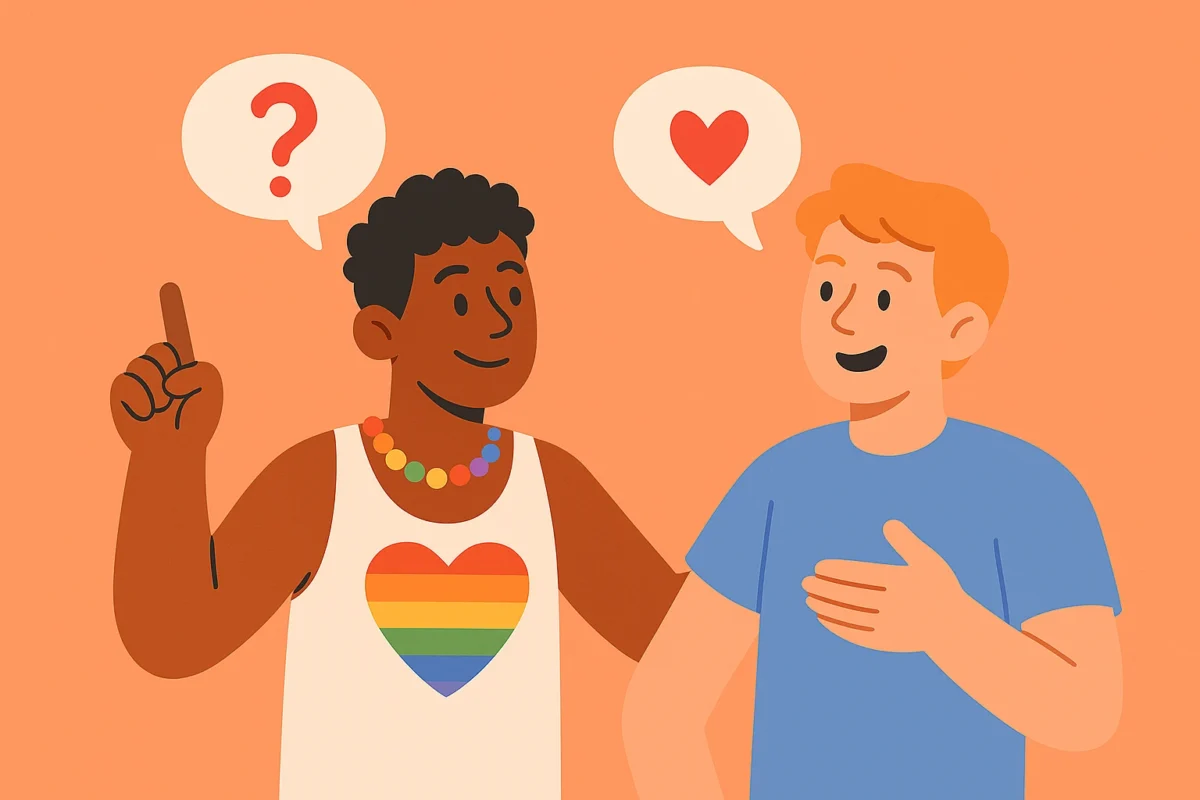
Start with curiosity, not criticism. Instead of “Why can’t you just be out?” try “Can you help me understand what you’re worried about?” or “What would need to change for you to feel safer being open?” These questions gather information rather than creating defensiveness.
Be specific about your own experience. Don’t make vague statements like “This is hard for me.” Instead: “I felt really uncomfortable at your office party when I had to pretend we were just friends. I didn’t know if I should avoid you or what.” Specific examples make the problem concrete and solvable.
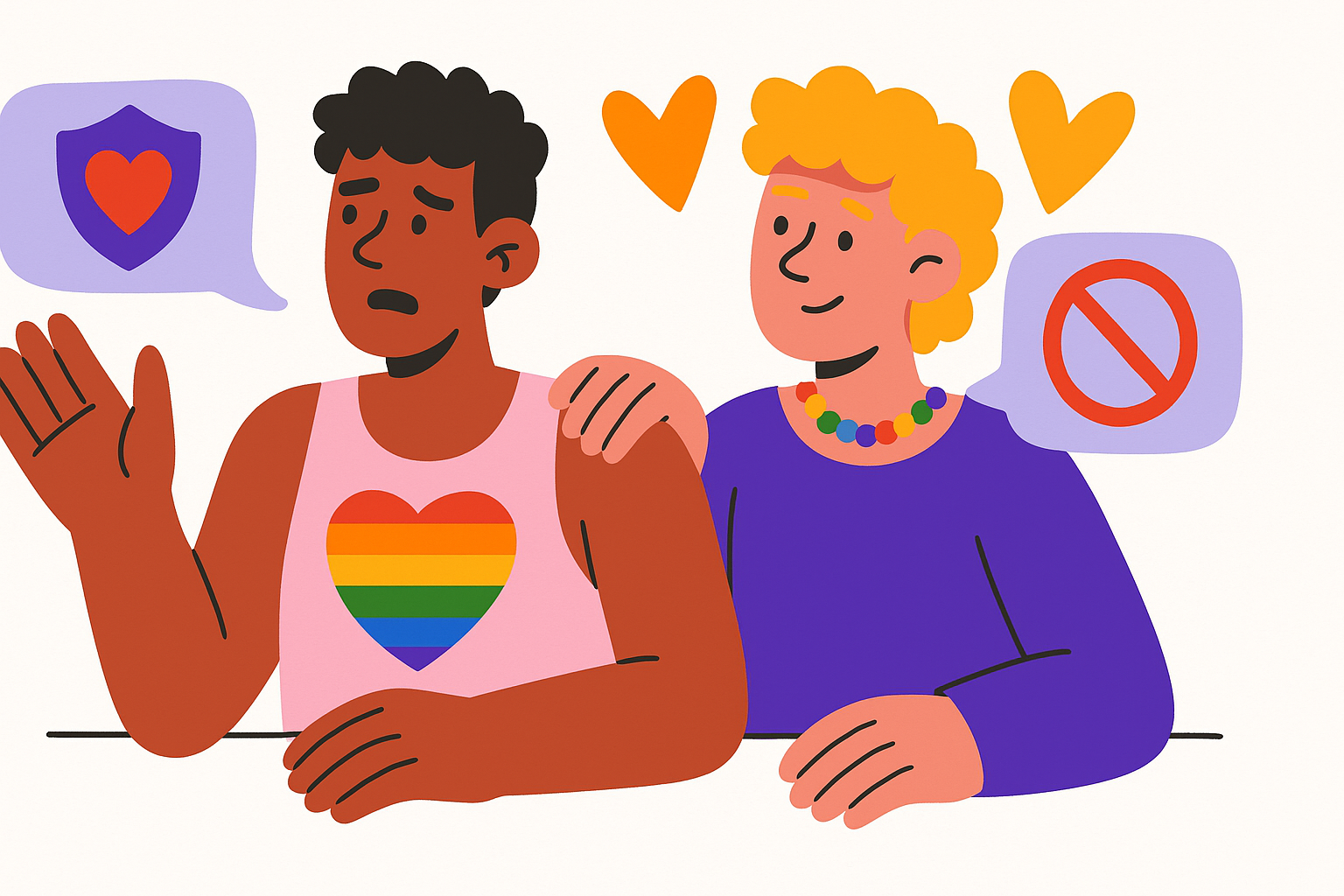
Acknowledge the real risks. If your partner could lose their housing, their job, or their family relationships, those aren’t abstract fears—they’re legitimate calculations. You don’t have to agree that staying closeted is the right choice, but you do need to acknowledge that the stakes are real for them.
Share your non-negotiables clearly. Maybe you can’t do another holiday pretending to be single. Maybe you need to be able to post about your relationship online. Maybe you’re okay staying closeted at work events but not with your own friends. Figure out what you actually need versus what would be nice to have.
Ask about timeline and conditions. “What would need to happen for you to feel ready?” is a useful question. Maybe it’s financial independence from their parents. Maybe it’s getting through a probationary period at work. Maybe it’s personal therapy to work through internalized homophobia. Knowing what the path looks like makes it less frustrating.
Making Agreements That Actually Work
Once you’ve talked through the situation, you need concrete agreements. Vague promises to “work on it” don’t help anyone.
Define your zones together. Be explicit: Are we out to your work friends or not? Can I post photos of us online? Are we out to siblings but not parents? Can we be affectionate in this neighborhood? Having clear boundaries prevents constant anxiety about whether you’re about to accidentally out your partner.
Establish communication signals. Some couples develop subtle ways to check in during social situations. A particular phrase or gesture that means “I’m uncomfortable, can we leave?” This sounds overly tactical, but it actually reduces tension because both people know there’s an escape route.
Agree on what to do when people ask directly. What happens if someone at a party straight-up asks, “Are you two together?” You need a plan that both people can live with. Some couples agree that the out partner can answer honestly while the closeted partner stays silent. Others prefer deflection or saying “That’s personal.”
Set a review schedule. Agree to revisit the conversation every few months. Circumstances change. Coming out isn’t static. Maybe your partner’s situation at work has shifted. Maybe they’ve made progress with family. Maybe you’ve realized you need more openness than you thought. Regular check-ins keep resentment from building.
Respect privacy boundaries with your own friends. This is crucial: if your partner isn’t out, you can’t vent to your friends about being closeted. That information isn’t yours to share. Find a therapist or a LGBTQ+ support group if you need to talk through your feelings.
The Outing Danger Is Real
Accidental outing is one of the biggest risks when there’s a coming out imbalance. It usually happens through carelessness, not malice, but that doesn’t make it less damaging.
Social media is the main culprit. Someone tags you in a photo at Pride. A friend comments something revealing on a post. You share a cute couple meme and forget that your partner’s coworkers follow you. These seem like small things, but they can have major consequences.
Set clear social media boundaries. Does your partner need to approve photos before you post them? Do you need separate Instagram accounts—one public, one private? Should you avoid posting about each other entirely? Figure this out explicitly rather than assuming.
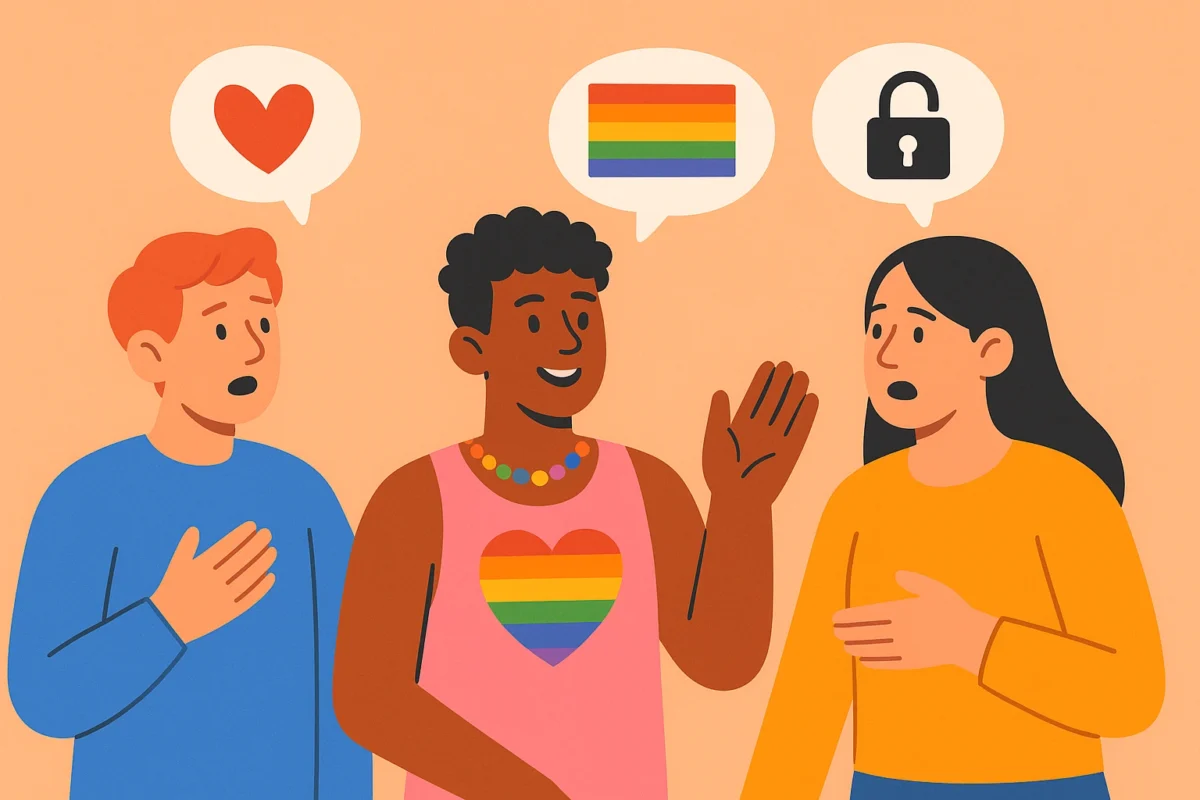
Brief your friends carefully. If your friends know about your relationship but your partner’s don’t, your friends need to understand the stakes. They can’t make jokes or references that could expose your partner. They need to be prepared to play along with whatever story you’re using. And frankly, if you have friends who think it’s funny to almost-out people or who don’t take this seriously, those aren’t good friends.
Have an emergency plan. What happens if someone does find out? Does your partner have somewhere safe to stay if they get kicked out? Do they have financial backup? Do they know what they’ll say? Hoping it won’t happen isn’t a strategy.
Never, ever out someone in anger. This should be obvious, but it needs to be said: no matter how angry you get during a fight, outing your partner or threatening to out them is abuse. It’s a betrayal that destroys trust permanently. If you’re feeling tempted to do this, the relationship needs to end or you need immediate professional help to deal with your anger.
When the Imbalance Becomes a Dealbreaker
Sometimes this situation is temporary and manageable. Sometimes it’s not, and that’s important to recognize.
If the timeline keeps extending indefinitely. “I’ll come out after I get this promotion” becomes “after I get the next promotion” becomes “after I change jobs eventually.” If your partner keeps moving the goalposts, that’s a sign they might not be ready for an open relationship at all—and you need to decide if you’re okay with that long-term.
If you’re expected to be completely invisible. There’s a difference between “I’m not ready to tell my parents” and “You can never come to any family event, meet any of my friends, or exist in any photos.” If your partner wants the benefits of a relationship with none of the acknowledgment, that’s not about safety—that’s about not being ready for a real partnership.
If your own mental health is suffering. Constantly lying and hiding takes a psychological toll. If you’re developing anxiety around social events, feeling depressed about your relationship’s invisibility, or starting to resent your partner, those are signs that the situation isn’t sustainable for you.
If there’s no communication about it. The worst-case scenario is when your partner refuses to discuss the coming out situation at all, shutting down every attempt at conversation. That’s not just about being closeted—that’s about refusing to address a major relationship issue, and relationships can’t function that way.
If you’re at different life stages. Sometimes one person is ready to be building a public life together—buying a house, talking about kids, planning a future—and the other person isn’t ready to even acknowledge the relationship to their family. That’s a fundamental incompatibility, and love doesn’t always bridge that gap.
The Bottom Line: Respect Goes Both Ways
Here’s what this comes down to: both people deserve respect for their situations and feelings. The closeted partner deserves respect for their safety concerns, their timeline, and their very real risks. The out partner deserves respect for their need to be acknowledged, their discomfort with hiding, and their own emotional wellbeing.
What doesn’t work is either person demanding the other change immediately. You can’t force someone out of the closet without causing real harm, and you can’t force someone back in without breeding resentment.
Sometimes these relationships work beautifully. The out partner finds ways to be patient while the closeted partner makes gradual progress. They build trust through honest communication. They protect each other—the closeted partner doesn’t demand total invisibility, and the out partner doesn’t pressure or threaten.
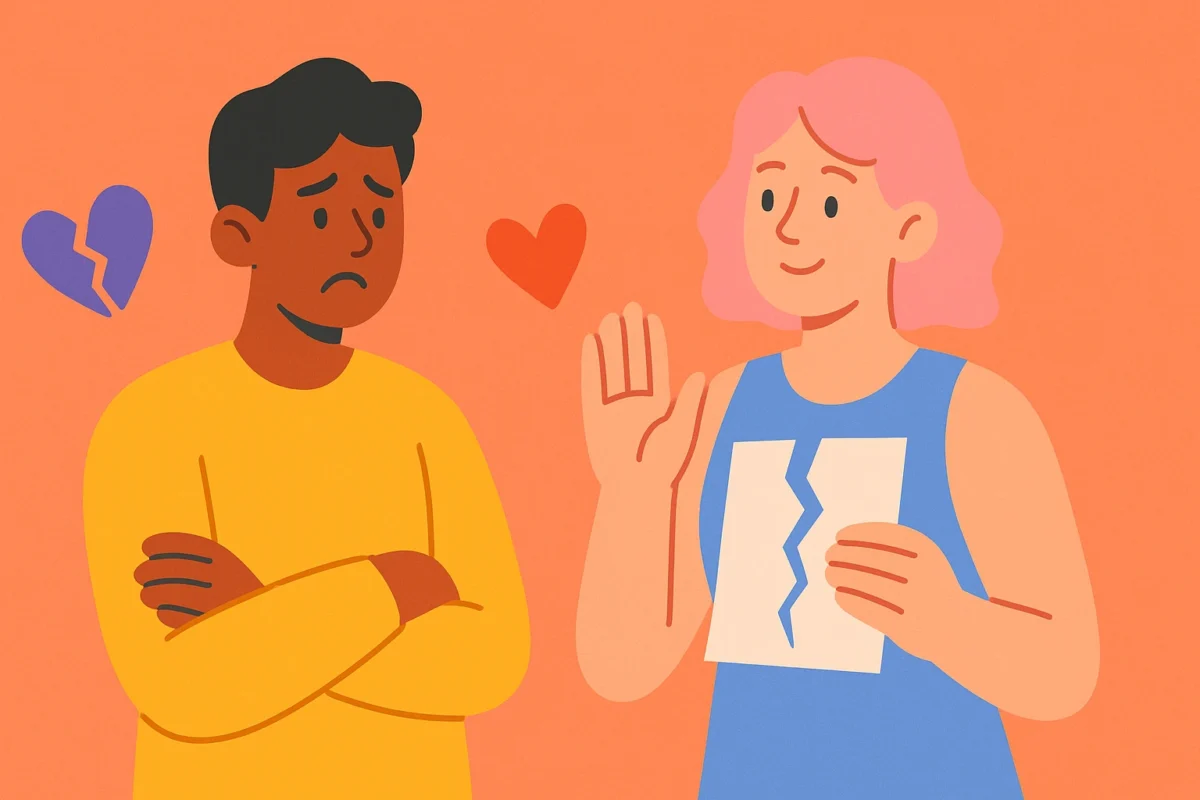
Sometimes these relationships don’t work, and that’s okay too. Recognizing incompatibility isn’t failure. If you need to be fully out and your partner needs to stay fully closeted, you might not be in the right relationship for this phase of your lives. That doesn’t make either of you wrong.
The key is honesty—with each other and with yourselves—about what you can actually live with. Not what you wish you could live with or what you think you should be okay with, but what you can genuinely handle day after day. That’s the only way to figure out if you’re building something sustainable or just prolonging an inevitable breakup.
And whatever you decide, remember: your relationship is valid whether it’s public or private, as long as both people feel respected and heard. There’s no one right way to be a couple, even in a world that’s still learning to accept us at all.

Michael Chen
Michael Chen completed his Ph.D. in Gender Studies at Yale University and now leads transgender health initiatives at Boston Medical Center. His research on gender identity development has been featured in leading medical journals and informed policy development for transgender healthcare access. Dr. Chen draws from his academic expertise to create educational content that promotes understanding of diverse gender expressions and identities.