06.11.25
How to Support Your LGBTQ+ Friend or Child: A Guide for Loved Ones
Last Updated 14.10.25
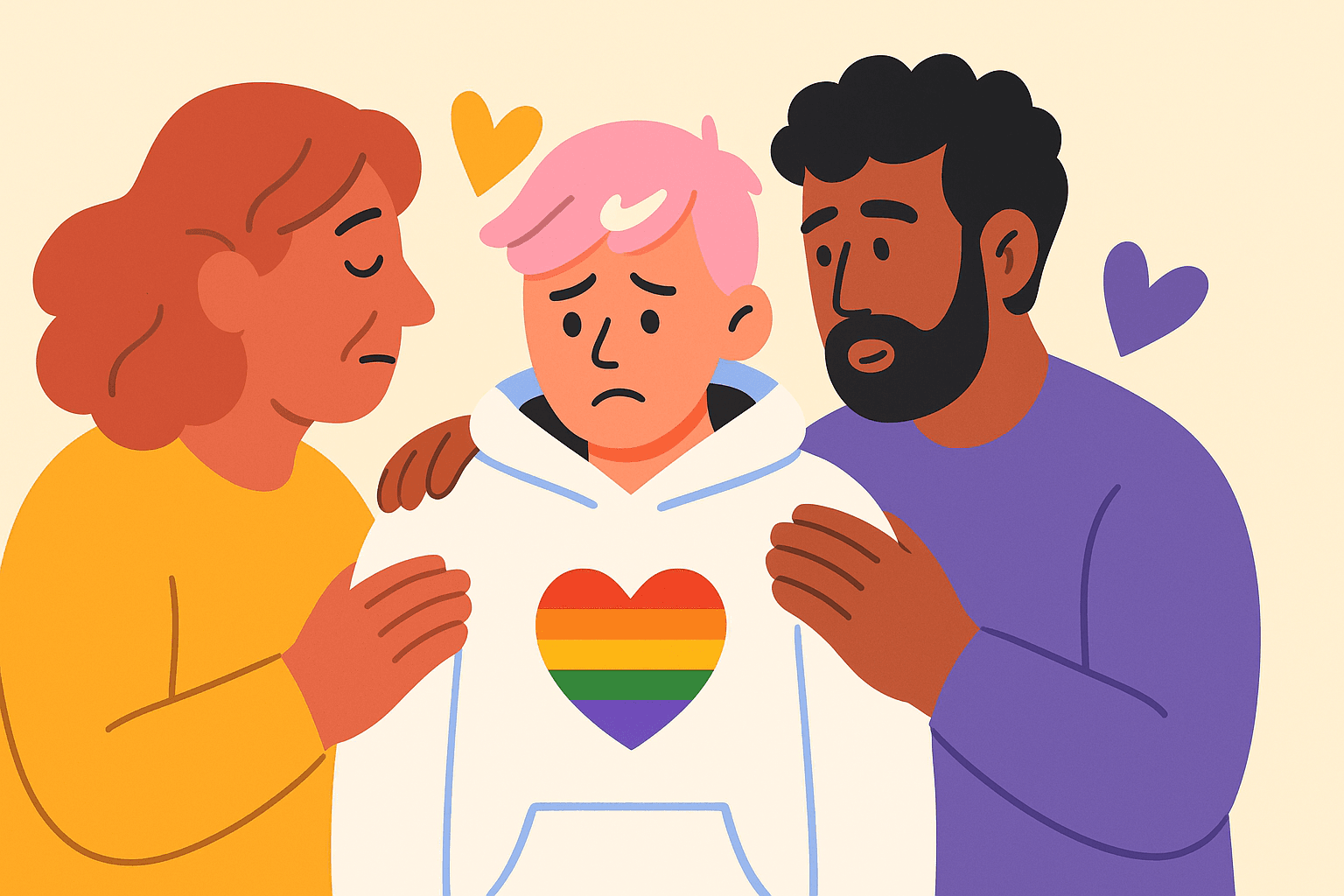
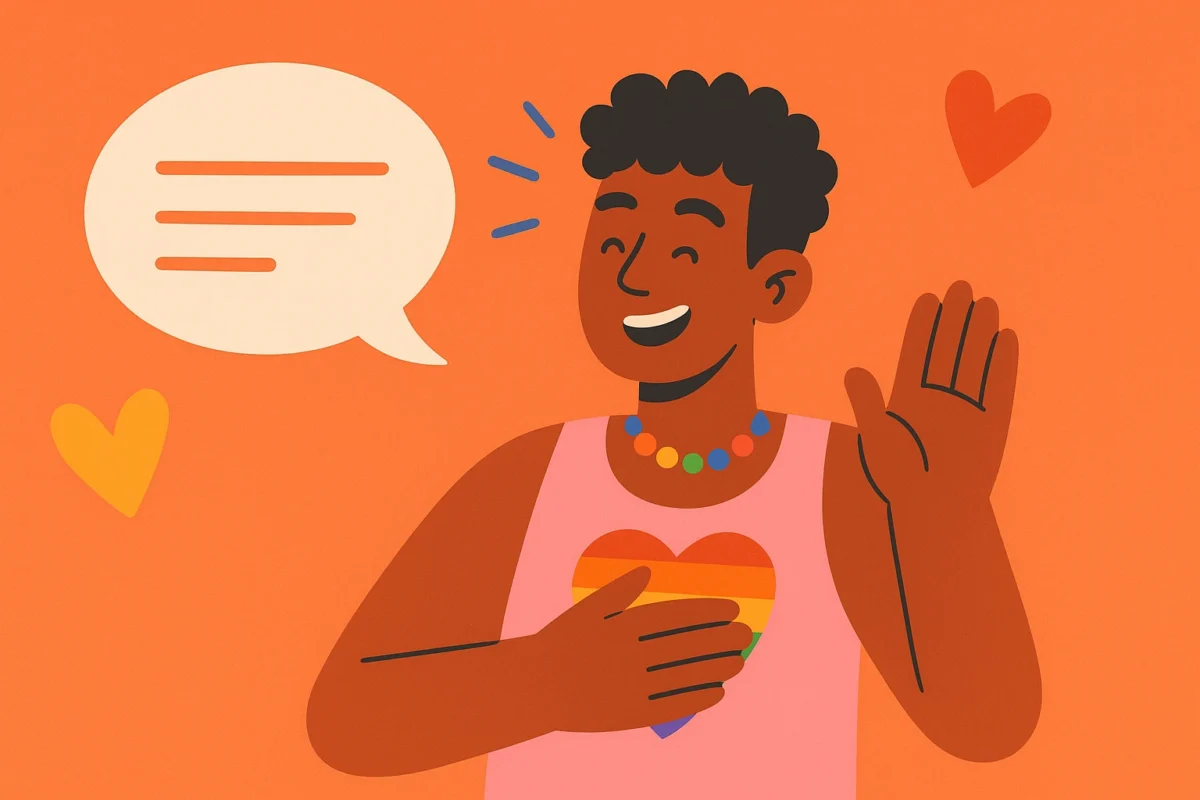
Here’s something most people don’t realize: when someone comes out to you, they’ve probably been rehearsing that conversation for months. Maybe years. They’ve played out every possible response in their head, including the worst ones. They know exactly what they’re risking by telling you.
Your reaction in those first few minutes can shape the entire trajectory of your relationship – and their life. That’s not dramatic. That’s just true. Studies show that family acceptance is the single biggest protective factor for LGBTQ+ youth mental health. The difference between a supportive family and a rejecting one can literally be the difference between life and death.
So if someone has just come out to you, or you’re preparing for that possibility, here’s what you need to know.
First Words: What to Say (and What Absolutely Not to Say)
When someone comes out, your first response matters more than anything that comes after. You want to communicate three things immediately:
“I love you.” Say it clearly. Don’t assume they know.
“Thank you for telling me.” Coming out takes enormous courage. Acknowledge that.
“Nothing changes between us.” Or if something does change, make it clear it’s only for the better – you get to know them more fully now.
That’s it. Those three things will cover you in the moment while your brain catches up.
What NOT to Say
Skip these entirely, even if they feel instinctive:
- “Are you sure?” – Yes, they’re sure. Nobody comes out on a whim. This question implies you know their identity better than they do.
- “It’s just a phase” – Even if you genuinely believe this, saying it dismisses their current reality and experience. If it is a phase (it usually isn’t), they’ll figure that out themselves.
- “I always knew” – This can feel invalidating, like their attempt to tell you wasn’t necessary or meaningful. Just let them have their moment.
- “But you don’t look gay/trans/etc.” – There’s no “look” to any identity. This reinforces stereotypes and suggests they’re doing something wrong by not fitting your mental image.
- Any variation of “What did I do wrong?” – Their identity isn’t about you. Making it about your parenting or friendship or feelings centers the wrong person in this conversation.
Questions You Can Ask (and Which Ones to Skip)
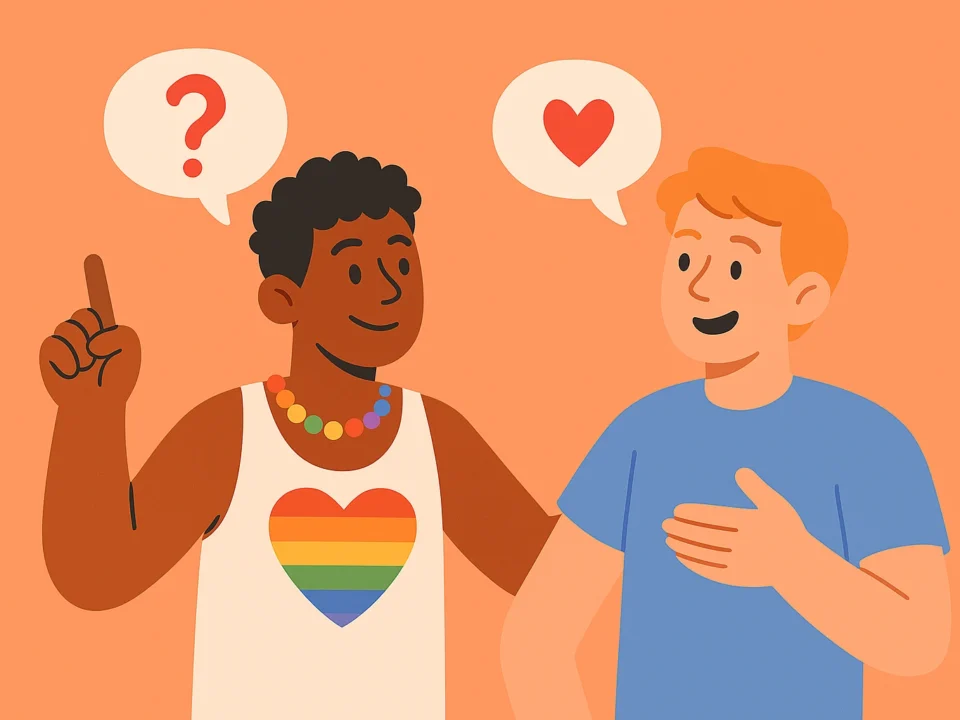
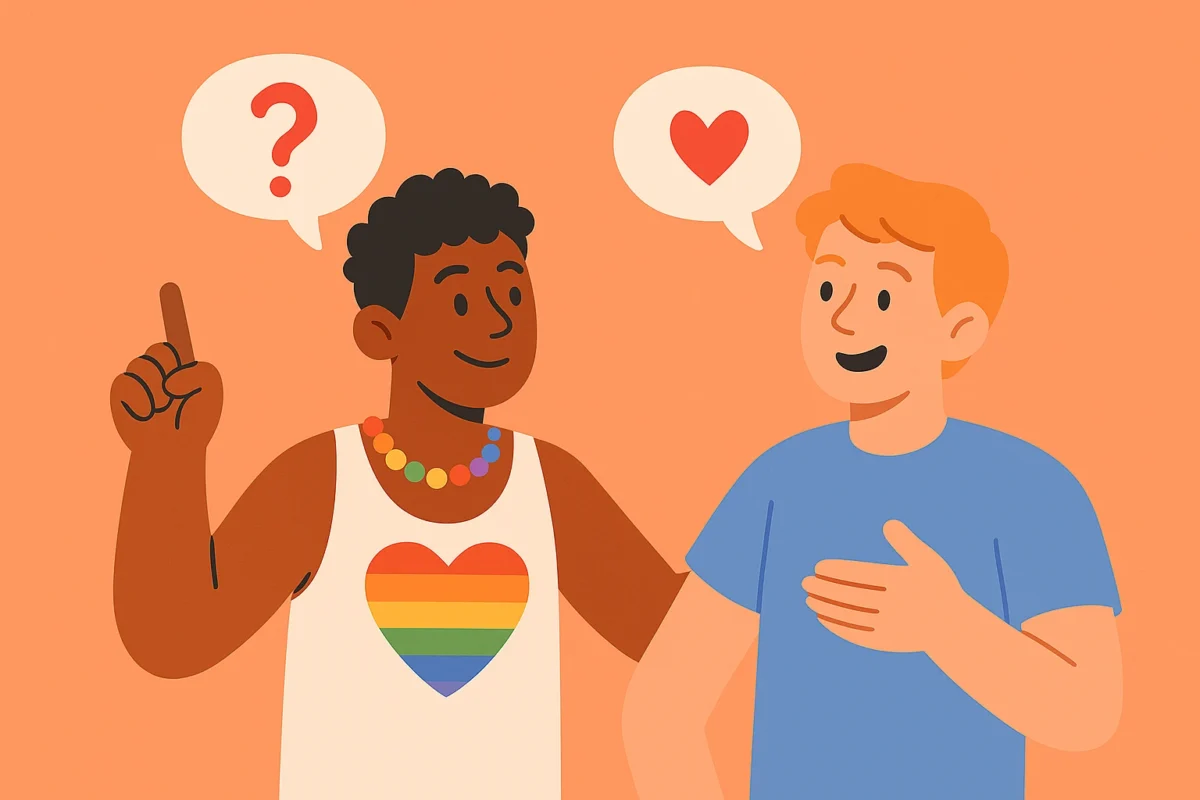
After the initial coming out conversation, you’ll have questions. That’s normal. The key is asking questions that center their experience rather than your confusion.
Good Questions
These show you’re trying to understand and support:
- “What name and pronouns should I use?”
- “How can I support you?”
- “Is this something you’re comfortable with me sharing with others, or would you prefer to tell people yourself?”
- “Are there specific things that would make you feel more comfortable when you’re here?”
- “Is there anything you need from me right now?”
Questions to Avoid (At Least Initially)
These often come from curiosity but can feel intrusive or invalidating:
- Questions about their body or medical plans (especially for trans people)
- “But how do you know you’re [identity]?” – This challenges their self-knowledge
- “Have you been with [gender]?” – Their sexual or romantic history isn’t your business unless they choose to share
- “What about giving me grandchildren?” – Don’t make their identity about your expectations for their future
Look, you can research most basic questions yourself. The Trevor Project, PFLAG, and countless other organizations have resources explaining different identities, terminology, and experiences. Do that homework on your own time instead of making your LGBTQ+ friend or child responsible for educating you.
How to Show Support in Everyday Life
Support isn’t just about that one big conversation. It’s about consistent, daily actions that signal safety and acceptance.
Use the Right Name and Pronouns
If someone has told you their pronouns or a different name, use them immediately. Every time. Yes, you’ll mess up sometimes – everyone does when they’re learning. When you do, correct yourself quickly and move on. Don’t make a huge apologetic production out of it, which centers your feelings and makes them comfort you.
Practice on your own if you need to. Say their name and pronouns out loud when you’re alone. It helps build the habit.
Introduce Them Correctly
When introducing your child or friend to others, use their correct name and pronouns. If they’re trans, don’t out them by mentioning their deadname or previous identity unless they’ve explicitly said that’s okay.
Stand Up for Them
This is the big one. If someone makes a homophobic or transphobic comment in your presence – a joke, a slur, a “casual” remark – shut it down. You don’t have to deliver a lecture. A simple “That’s not okay” or “We don’t talk like that” works.
Your LGBTQ+ loved one is watching how you respond when they’re not in the room. That shows them whether you’re a safe person or just tolerant when it’s convenient.
Educate Yourself
Learn what Pride means. Understand why pronouns matter. Read about the history of LGBTQ+ rights. Follow some LGBTQ+ creators or activists. Stay informed about current issues affecting the community.
This isn’t optional. If you care about someone, you learn about the things that affect their life.
Show Up
Go to their Pride event. Attend their drag show. Meet their partner. Celebrate their milestones the same way you would for anyone else. Visibility matters.
What You Absolutely Should Not Do
Let’s be clear about the behaviors that cause real, measurable harm:
Don’t Try to Change Them
Conversion therapy – whether it calls itself that or uses softer language like “reparative therapy” or “sexual orientation change efforts” – doesn’t work. What it does do is double the risk of depression and increase suicide attempts. Every major medical and mental health organization condemns it.
Your child or friend isn’t broken. They don’t need fixing. If you think they do, the problem is your understanding, not their identity.
Don’t Make Your Love Conditional
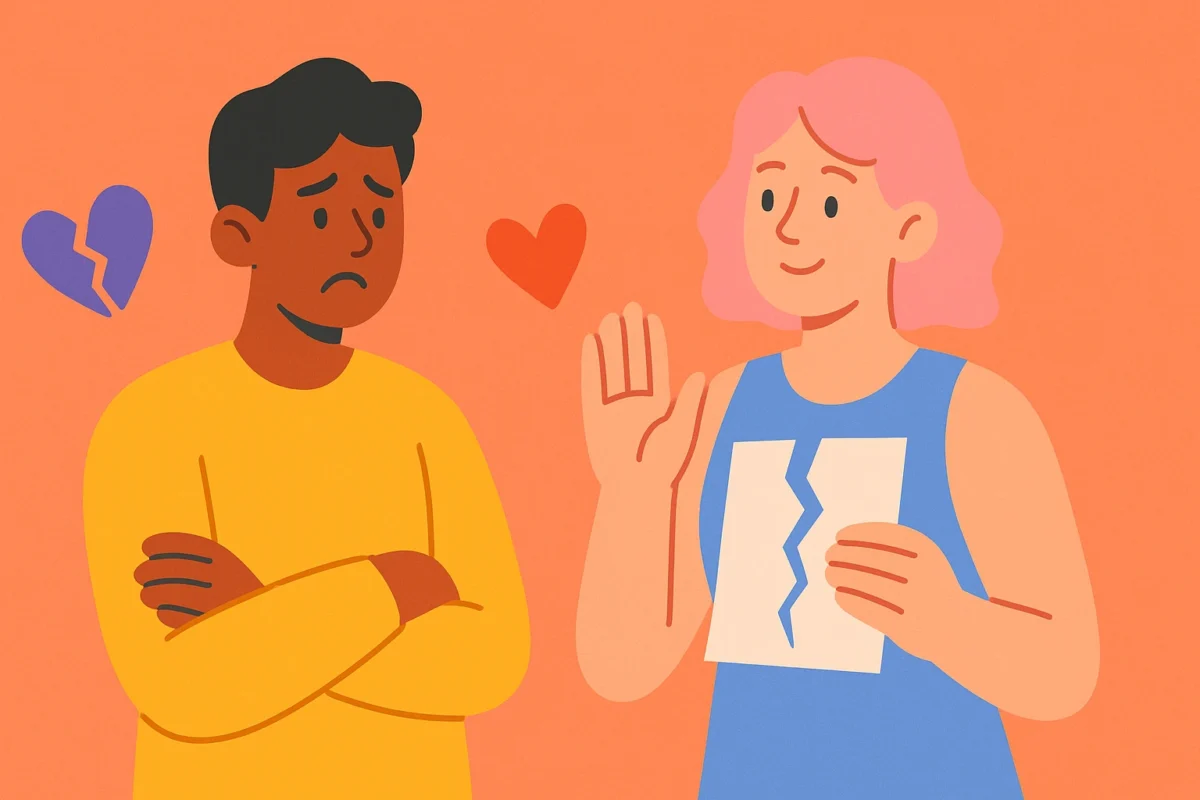
“I love you, but…” isn’t love. It’s conditional acceptance, and LGBTQ+ people hear it constantly. “I love you, but don’t act on it.” “I love you, but this goes against my beliefs.” “I love you, but I need time to process.”
Processing your feelings is fine. Do it with a therapist or trusted friend – not by making your LGBTQ+ loved one wait in limbo wondering if you’ll still be in their life.
Don’t Out Them
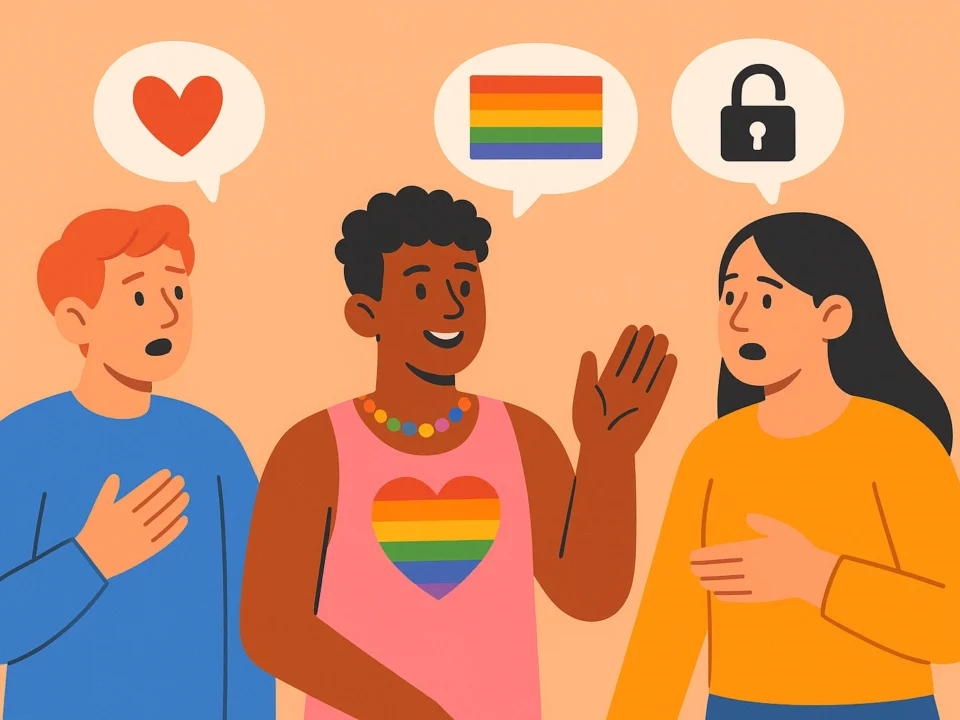
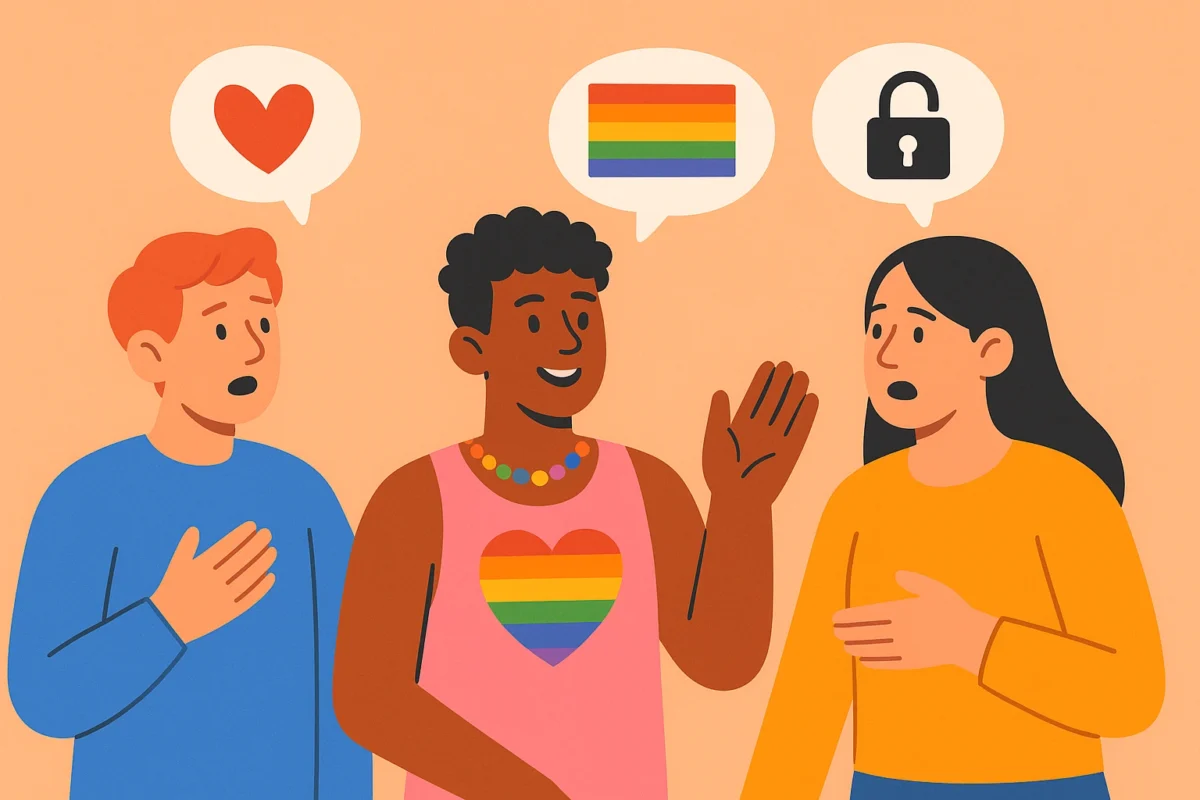
Never, ever reveal someone’s LGBTQ+ identity to others without their explicit permission. You don’t know who’s safe for them. You don’t know what consequences they might face. Coming out is deeply personal, and only they get to decide who knows, when, and how.
This includes posting about it on social media, telling family members “because they have a right to know,” or casually mentioning it to friends. Ask first, every time.
Don’t Make It About You
Your feelings about their identity are valid – confusion, worry, grief for expectations you had – but your LGBTQ+ loved one isn’t the right person to process those feelings with. They’re dealing with their own vulnerability right now. Find a therapist, join a support group for parents and families (like PFLAG), talk to friends. Work through your stuff away from the person who just trusted you with something huge.
Don’t Ignore It
Some people think the kindest response is to just never mention it again, treating it like it didn’t happen. That’s not acceptance – it’s avoidance. It signals that their identity is something shameful that you’re politely overlooking.
You don’t have to make it the only thing you talk about, but acknowledge it. Ask how they’re doing. Check in about whether they feel supported. Let it be a normal part of your relationship.
Why This Matters So Much
The statistics are stark. LGBTQ+ youth with highly accepting families have significantly lower rates of depression, substance abuse, and suicidal ideation compared to those with rejecting families. We’re talking about a 40% decrease in suicide attempts when families are supportive.
Family rejection is the primary reason LGBTQ+ youth become homeless – they represent about 40% of homeless youth despite being maybe 7-10% of the overall youth population.
Conversely, having just one accepting adult in their life can be transformative. It doesn’t have to be a parent. It can be an aunt, a coach, a friend’s parent, a teacher. One person who consistently shows up and affirms their identity.
That person can be you.
Your Support Can Save a Life
Look, nobody expects you to be perfect at this. You’ll use the wrong pronoun sometimes. You’ll ask a question that lands wrong. You’ll have moments of confusion or sadness about expectations you’re letting go of.
What matters is showing up consistently with love and a genuine effort to understand. What matters is prioritizing their wellbeing over your comfort. What matters is making it clear that your relationship isn’t contingent on them being someone they’re not.
Coming out is an act of trust and hope. The person sitting across from you chose to be vulnerable with you because they believed you might respond with love. Don’t waste that gift by making them regret it.
Be the person they believed you could be. Be the one who makes them feel safer in the world instead of less safe. Be the reason they’re okay.
Because decades from now, they won’t remember the exact words you said in that first conversation. They’ll remember how you made them feel. They’ll remember whether you chose them or chose your discomfort. They’ll remember whether you were someone they could count on.
Make sure those memories are ones you can both be proud of.

Morgan Taylor
Morgan Taylor holds a Ph.D. in Gender and Sexuality Studies from UC Berkeley, where she serves as an associate professor in Sociology. With over 15 years researching LGBTQ+ history and community development, Dr. Taylor has published in academic journals and worked as an educational consultant for organizations like GLAAD and The Trevor Project. Outside academia, she mentors LGBTQ+ youth and speaks at conferences, believing that education creates more inclusive communities.