06.11.25
How to Discuss Boundaries and Safety in LGBTQ+ Relationships
Last Updated 15.10.25
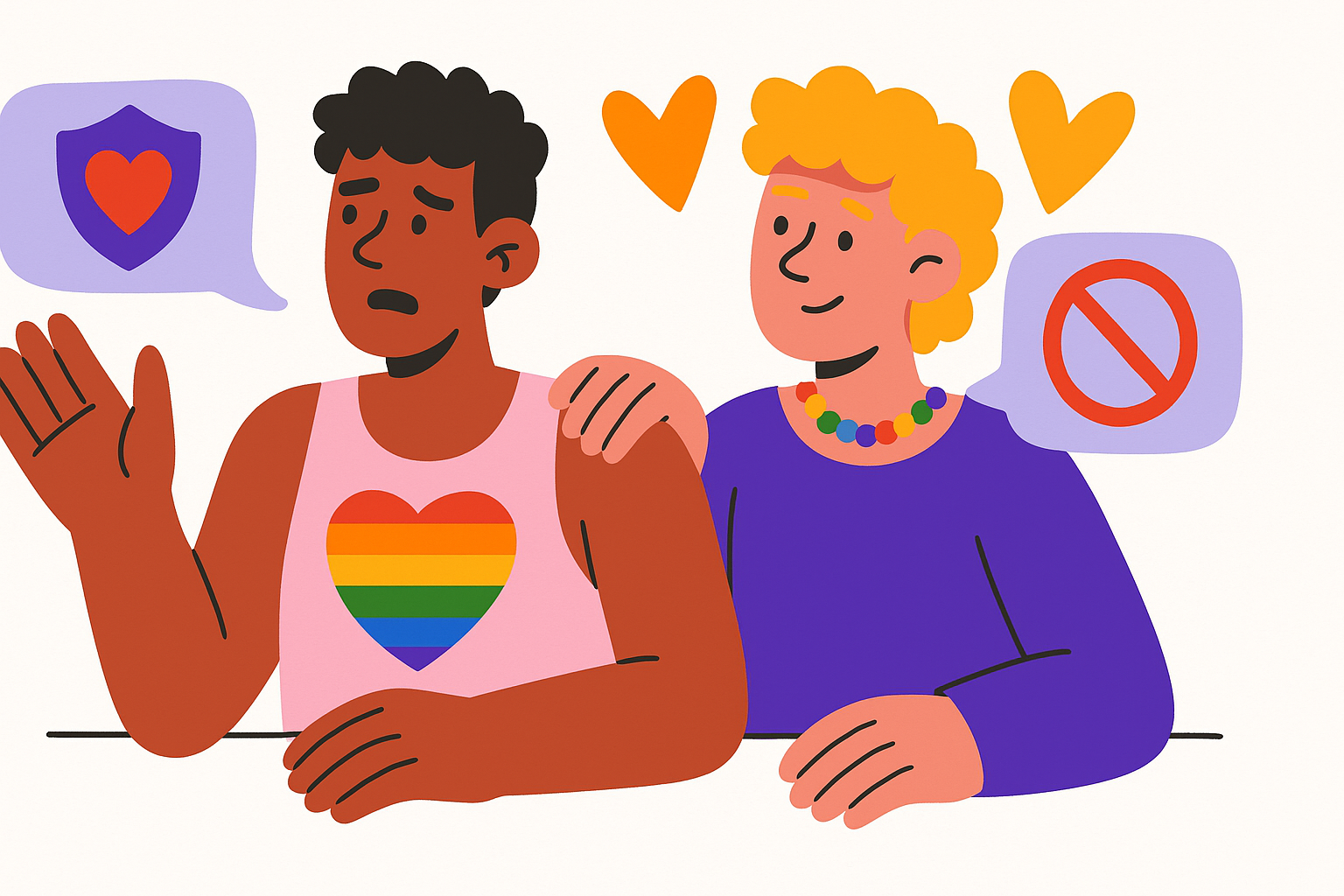
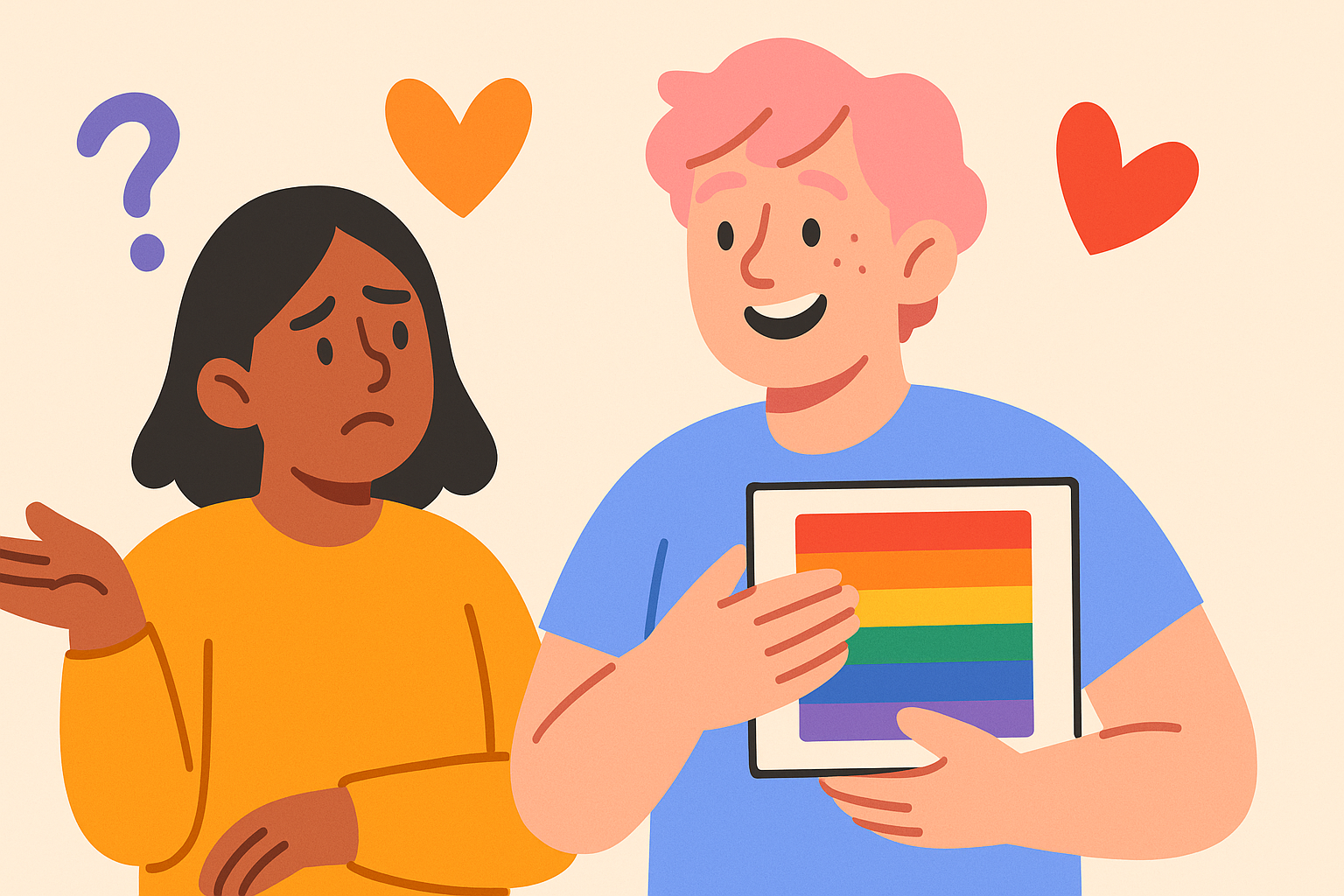
You’re three months into dating someone amazing. Things are going well. Then one night, they casually mention something that makes you pause – maybe they want to post couple photos on Instagram, or they’re planning to introduce you to their family, or they have expectations about exclusivity that don’t match yours. Your stomach tightens. You know you need to say something, but the words feel stuck. Sound familiar?
Here’s the thing: talking about boundaries isn’t sexy or romantic, and it definitely doesn’t happen naturally in a candlelit moment. It’s often awkward, sometimes uncomfortable, and absolutely necessary. And for LGBTQ+ folks, it comes with extra layers – we don’t have the same relationship templates straight couples grew up seeing, and there’s often less guidance on how to navigate these conversations.
Why Boundaries Matter More Than You Think
Let’s be clear: boundaries aren’t rules you impose on your partner. They’re the honest expression of what you need to feel safe, respected, and comfortable in a relationship. Without them, you’re basically flying blind, hoping you both want the same things without actually checking.
In LGBTQ+ relationships, boundaries become even more critical because we’re often figuring out our own relationship models. A lesbian couple doesn’t have to follow heteronormative scripts. A trans person dating might need specific boundaries around body autonomy. Polyamorous folks need crystal-clear agreements. There’s more freedom, but also more room for misunderstandings.
Types of Boundaries: Getting Specific
Let’s break down what boundaries actually look like in practice, because “set boundaries” is vague advice.
Emotional Boundaries
These are about protecting your mental and emotional energy. Examples:
- How much you share about past relationships or trauma
- Whether your partner can vent to you about everything or if some topics need professional help
- How you handle conflict (some people need space to cool down, others want to resolve things immediately)
- Whether you’re comfortable being someone’s only source of emotional support
A real example: “I need to tell you that when we fight, I shut down if things get too heated. I’m not ignoring you – I need about 30 minutes to process before I can talk constructively.”
Sexual Boundaries
This goes beyond consent to specific practices and comfort levels:
- What sexual activities you’re into (or not)
- Discussions about PrEP, testing schedules, and safer sex practices
- Whether you’re open to non-monogamy and what that looks like
- How you feel about sharing details of your sex life with friends
- Boundaries around recording or photographing intimate moments
For gay men, this might include conversations about status disclosure and what safer sex means to you. For lesbian and bisexual women, it could involve discussions about barriers and regular testing that often gets overlooked in WLW relationships.
Social Boundaries
These affect how your relationship interacts with the outside world:
- How out you are and in what contexts
- Whether you’re comfortable with PDA in certain situations
- How you handle being misgendered or having your relationship invalidated
- What you share on social media
- How you introduce each other (partner, boyfriend, girlfriend, spouse)
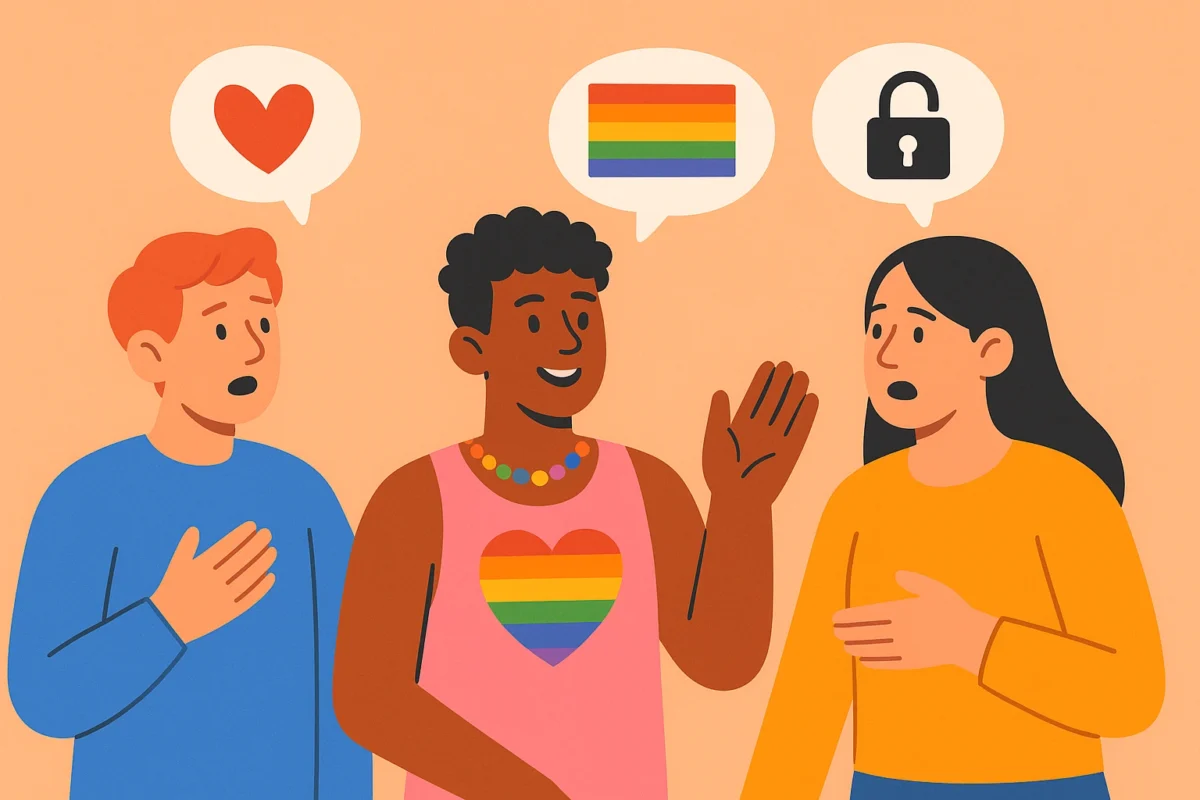
Here’s where LGBTQ+ relationships face unique challenges. One partner might be fully out at work while the other isn’t. One person might be comfortable correcting people who misgender you, while you’d rather let it slide in certain situations. These differences aren’t dealbreakers, but they need to be discussed.
How to Actually Start These Conversations
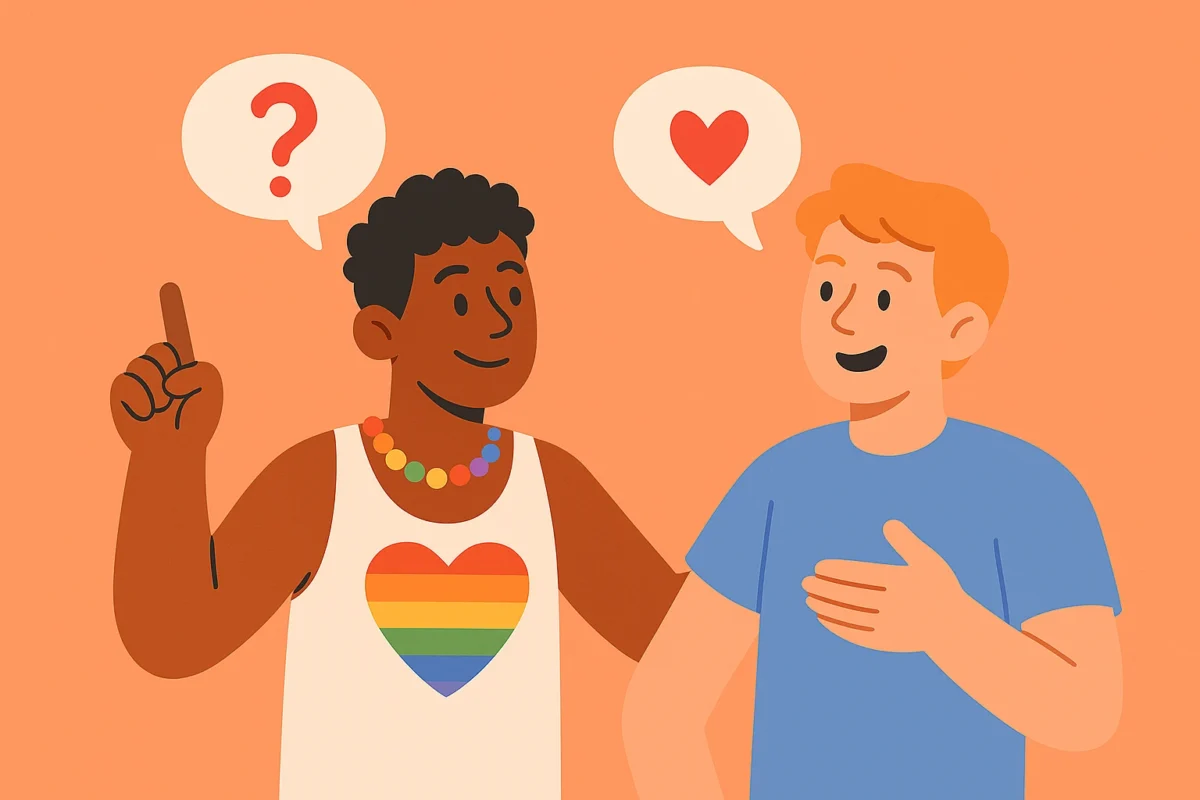
The biggest obstacle to discussing boundaries is just starting the conversation. Here are openers that work:
For new relationships: “Hey, I really like where this is going. Can we talk about what we’re both looking for and what our expectations are?”
For sexual boundaries: “Before things go further, I want to talk about what we’re comfortable with and make sure we’re on the same page about safety.”
For social media: “I noticed you posted about us. I’m flattered, but can we discuss what we’re both comfortable sharing online?”
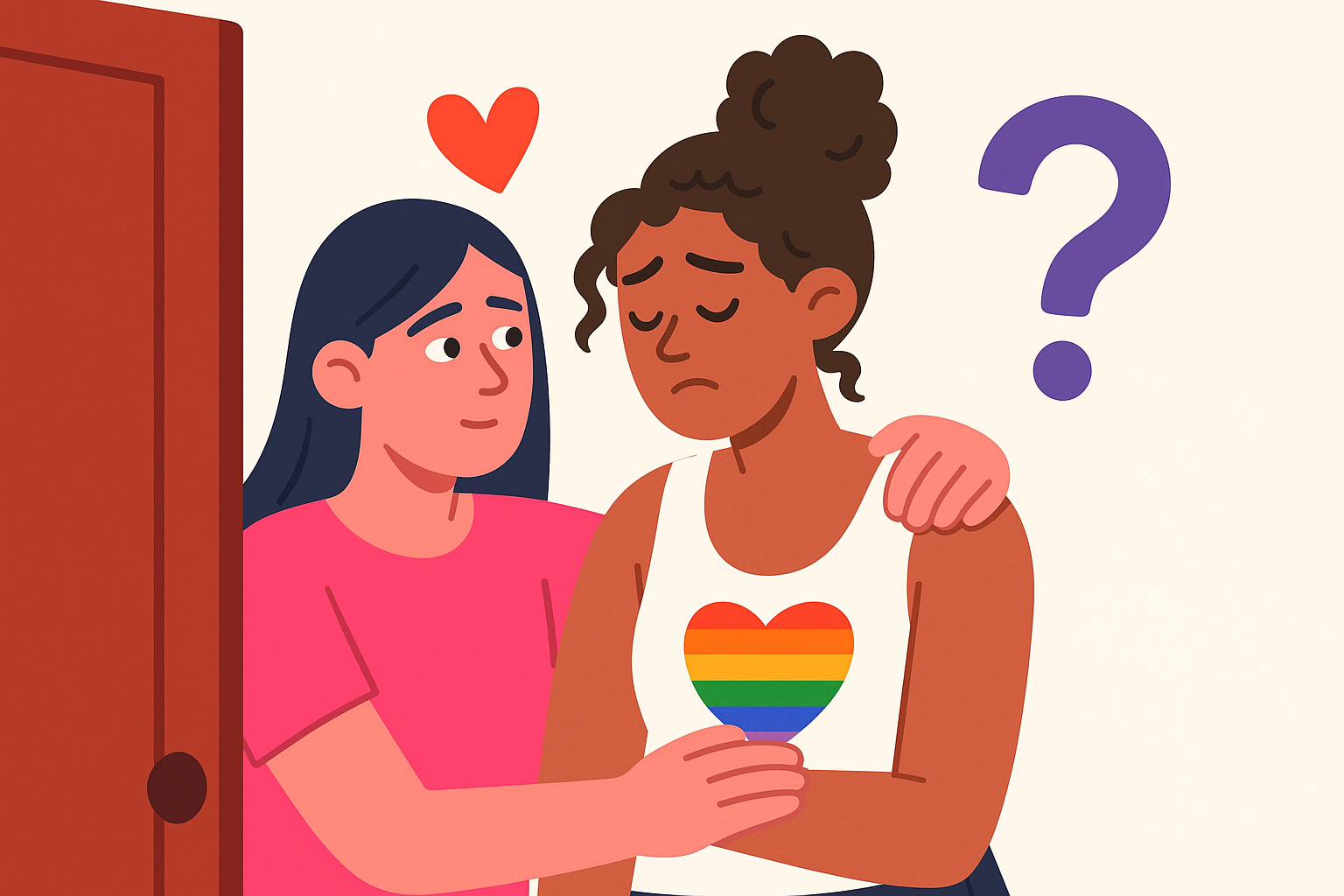
For coming out situations: “I want to be respectful of where you are in your journey. Can you tell me who knows about us and how you want to handle introductions?”
The key is timing. Don’t bring up heavy boundary conversations in the middle of sex or during a fight. Find a neutral moment when you’re both calm and have time to talk. Yes, it might kill the mood temporarily, but it builds trust long-term.
Discussing Protection and Safety
Let’s talk about the practical stuff that people often dance around.
Sexual Health
Be direct: “When were you last tested?” “Are you on PrEP?” “What does safer sex look like for you?” These aren’t mood killers – they’re signs of maturity and respect. If someone gets defensive or evasive about testing or status, that’s information.
For those in communities with higher HIV transmission rates, these conversations are life-or-death. There’s no room for assumptions. And for everyone else, STIs don’t discriminate. Regular testing should be as routine as going to the dentist.
Physical Safety
LGBTQ+ folks face higher rates of intimate partner violence, but it’s discussed less openly. Safety boundaries include:
- What you do if you feel uncomfortable in public (do you hold hands in certain neighborhoods?)
- How you handle harassment or threats together
- What physical behaviors are never okay (blocking exits, destroying property, any form of hitting or intimidation)
Digital Safety
In the age of screenshots and revenge porn:
- What photos or messages you’re comfortable exchanging
- Whether you’re okay with your partner having your location
- What happens to intimate content if you break up
Social Safety
This is huge for LGBTQ+ people:
- Who can know about your relationship
- How you handle potential outing situations
- What you do if someone tries to disclose your identity without permission
Respecting Differences and Finding Compromise
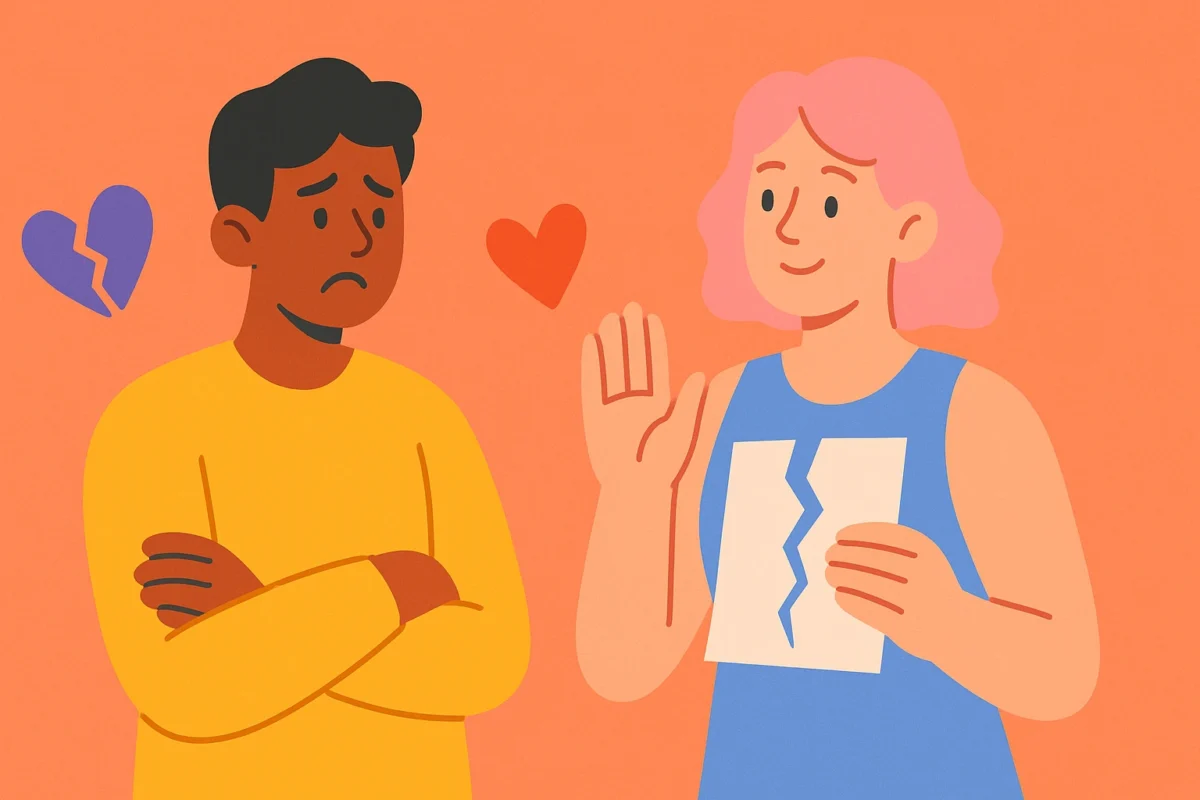
Here’s where it gets real: you won’t agree on everything. One person might want a completely open relationship while the other prefers monogamy. One might be ready to move in together while the other needs more time. Someone might be fully out while their partner is still navigating that process.
Compromise doesn’t mean one person sacrifices their needs. It means finding creative solutions that honor both people’s boundaries.
Example 1: One partner wants to be Instagram-official, but the other isn’t out to their family. Compromise: Post photos together without explicitly labeling the relationship, or use a private account that family can’t see.
Example 2: Different libido levels. Compromise: Schedule intimate time while also acknowledging it’s okay to say no, or discuss ethical non-monogamy if that works for both.
Example 3: Different comfort levels with PDA. Compromise: Hold hands in queer-friendly spaces but not in potentially unsafe environments.
The key question: “How can we both get our core needs met?” If there’s no answer to that question, you might be incompatible – and that’s okay to recognize.
Red Flags That Your Boundaries Are Being Violated
Pay attention to these warning signs:
Guilt-tripping: “If you really loved me, you’d…” or “Everyone else is fine with this, why aren’t you?”
Dismissing your feelings: “You’re too sensitive” or “That’s not a big deal”
Crossing agreed-upon lines: If you’ve discussed something and they do it anyway, that’s a violation
Pressuring you to come out: Your timeline is yours alone
Making you feel crazy: Gaslighting about what you discussed or agreed to
Using your identity against you: Threatening to out you, or saying no one else would want to date a trans/bi/queer person
Ignoring sexual boundaries: Trying to convince you to skip protection or do things you’ve said you’re not comfortable with
Isolation: Trying to cut you off from friends, family, or your community
If you’re seeing these patterns, it’s not about better communication – it’s about respect, and someone who doesn’t respect your boundaries doesn’t respect you.
Trust Is Built Through Honest Conversation
Look, no one wants to have awkward conversations about boundaries. It would be easier if relationships just flowed naturally and everyone magically knew what everyone else needed. But that’s not reality.
The relationships that last – the ones where both people feel safe, respected, and genuinely happy – are built on these uncomfortable conversations. Every time you speak up about a boundary, you’re saying “I trust you with the real me.” And every time your partner respects that boundary, they’re proving they’re trustworthy.
LGBTQ+ relationships already require us to be brave in a world that doesn’t always accept us. Being brave with each other, honest about our needs, and clear about our boundaries is just another part of that courage. It’s not the fun part of dating, but it’s the foundation that makes the fun parts possible.
Start small. Pick one thing you need to discuss. Use the scripts above if you need to. And remember: someone who gets angry at you for having boundaries isn’t someone you want to be with anyway. The right person will hear you, respect you, and work with you to build something that feels good for both of you.
That’s not romantic in the Hollywood sense. But it’s real, and real is better.

Morgan Taylor
Morgan Taylor holds a Ph.D. in Gender and Sexuality Studies from UC Berkeley, where she serves as an associate professor in Sociology. With over 15 years researching LGBTQ+ history and community development, Dr. Taylor has published in academic journals and worked as an educational consultant for organizations like GLAAD and The Trevor Project. Outside academia, she mentors LGBTQ+ youth and speaks at conferences, believing that education creates more inclusive communities.