06.11.25
How to Build Healthy LGBT Relationships: Essential Advice
Last Updated 14.10.25
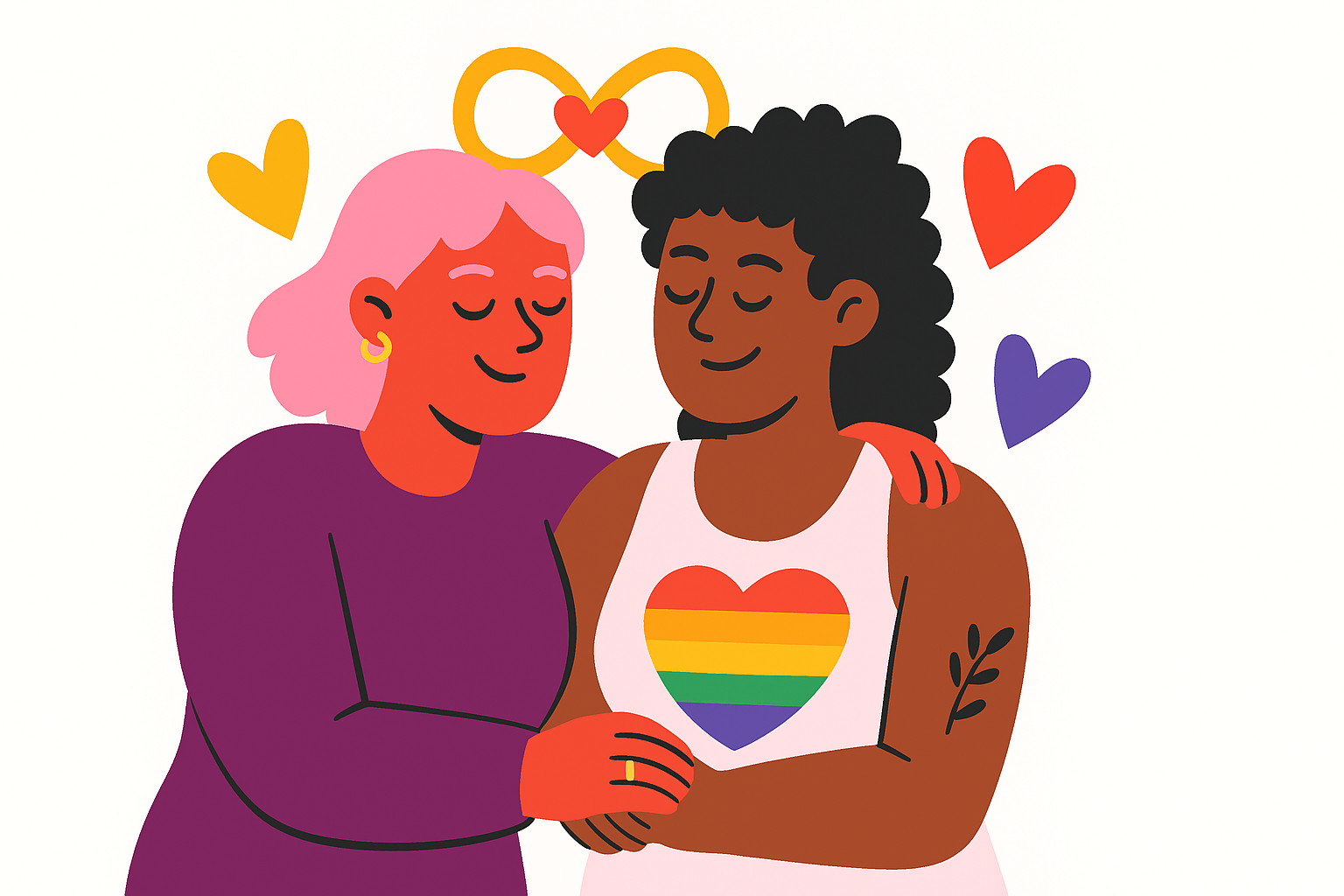
Let’s get something straight (pun intended): there’s no secret formula for LGBT relationships that differs from any other relationship. You won’t find some hidden manual that unlocks the mysteries of queer love. People love asking “How do LGBT relationships work?” as if we operate on different emotional software. We don’t.
The truth is messier and more boring: healthy relationships require the same work regardless of who’s in them. Two men, two women, non-binary partners — everyone deals with dirty dishes, conflicting schedules, and arguments about whose turn it is to call the plumber. The difference? LGBT couples face additional pressure from a world that doesn’t always want them to exist, let alone thrive.
This article isn’t about special rules for special people. It’s about acknowledging that while the foundation is the same, the context is different. And that context matters.
Basic Principles of Healthy Relationships
Respect means treating your partner like an autonomous person with their own needs, not an accessory to your life. It means not outing them without permission, even to your best friend. It means understanding that their comfort level with PDA might differ from yours, and that’s okay.
Honesty goes beyond not lying. It’s about saying “I’m not ready to meet your family yet” instead of making excuses. It’s admitting when you’re scared or insecure instead of starting a fight about something unrelated. Many LGBT people grow up learning to hide, and that habit doesn’t disappear just because you’re in a relationship. You have to actively choose transparency.
Equality means nobody’s the “man” in the relationship (even if you’re two men). Nobody defaults to certain roles because of gender presentation or who came out first. You split responsibilities based on preference and ability, not stereotypes. The person who cooks isn’t automatically the one who cleans. The more masculine-presenting partner isn’t automatically the one who handles “tough” conversations.
These principles sound obvious, but applying them takes practice. When you’ve spent years performing straightness or hiding parts of yourself, genuine vulnerability feels risky. It is risky. Do it anyway.
How to Discuss Expectations and Needs
Start these conversations early, not when resentment has already built up. Here are actual topics you need to discuss:
Relationship structure: Are you monogamous? Polyamorous? Open? Don’t assume. LGBT communities have diverse relationship models, and what worked in your last relationship might not work now. Say: “I want to talk about what our relationship looks like. What does commitment mean to you?”
Public vs. private: How out are you both? Can you hold hands in public? Post couple photos on social media? Meet each other’s families? These aren’t trivial questions. They’re about safety, comfort, and compatibility. If one person is fully out and the other isn’t ready, that gap creates tension. Address it directly: “I understand you’re not out at work, but I need to know if there’s a timeline for when I can meet your parents, or if that’s off the table entirely.”
Future plans: Do you want marriage? Kids? To move to a more accepting area? Some LGBT people have spent so long thinking certain futures were impossible that they haven’t considered what they actually want. Take time to figure it out, then share it.
Sex and intimacy: Frequency, preferences, boundaries. What feels good? What’s off-limits? Sex can be complicated when you’re figuring out your identity or dealing with trauma from discrimination. Talk about it like adults.
The key to these conversations is timing. Don’t bring up monogamy during an argument. Don’t discuss future kids while you’re both drunk. Set aside specific time when you’re both calm and focused.
Conflicts and How to Solve Them
Fighting isn’t the problem. How you fight is the problem.
Good conflict: “I felt hurt when you canceled our plans last minute. I need more notice when your schedule changes.”
Bad conflict: “You always do this! You clearly don’t care about me or our relationship!”
See the difference? One states a specific issue and a need. The other is an attack that puts your partner on the defensive.
Use “I” statements. “I feel neglected” beats “You never pay attention to me.” It’s not about being polite. It’s about clarity. Your partner can’t argue with how you feel, but they can (and will) argue if you’re accusing them of “never” or “always” doing something.
Take breaks. If you’re screaming or shutting down, nothing productive will happen. Say “I need 20 minutes” and actually take them. Don’t storm out dramatically. Just pause.
Apologize properly. “I’m sorry you feel that way” isn’t an apology. It’s dismissive. Try: “I’m sorry I canceled last minute. I should have texted you earlier. Next time I’ll give you more notice.” Acknowledge what you did, take responsibility, commit to change.
Know your triggers. Many LGBT people carry trauma from rejection, bullying, or discrimination. Your partner mentioning they talked to an ex might trigger abandonment fears that have nothing to do with them. Recognize when past wounds are hijacking present conflicts. Say: “I’m reacting strongly because this reminds me of [past experience], not because I don’t trust you.”
Supporting Your Partner Through External Pressure
This is where LGBT relationships face unique challenges. Your straight friends don’t worry about their partner’s family disowning them. You might.
When family is hostile: You can’t fix your partner’s family. You can be present. Offer to attend difficult family events together. Don’t push them to come out if they’re not ready, but also don’t enable abuse. If their parents are actively harmful, it’s okay to suggest limiting contact. Say: “I’ll support whatever you decide, but I don’t want you to keep hurting yourself by trying to earn their acceptance.”
When facing discrimination: Whether it’s workplace discrimination, street harassment, or legal issues, validate their experience. Don’t minimize it with “at least” statements (“at least you weren’t physically hurt”). Just listen and ask what they need.
Dealing with community pressure: LGBT communities can be judgmental too. Your relationship might face scrutiny for age gaps, gender dynamics, or not being “queer enough.” Sometimes the pressure to represent your community perfectly becomes overwhelming. Remind each other that you don’t owe anyone a perfect relationship for visibility points.
When your partner is struggling with internalized homophobia: This is delicate. They might sabotage the relationship, push you away, or refuse to be seen with you publicly. You can be compassionate without accepting mistreatment. Suggest therapy. Set boundaries. You can’t love someone into accepting themselves.
When You Should End a Relationship
Not every relationship is worth saving. Here are clear signs to leave:
Abuse. Physical, emotional, financial, sexual. It doesn’t matter if they’re also struggling with their identity or facing discrimination. Abuse is abuse. Leave.
Refusal to work on issues. If you’ve brought up the same problem repeatedly and they won’t even try to change, you’re not in a partnership. You’re in a hostage situation.
Different fundamental values. If one person wants kids and the other absolutely doesn’t, or one wants to live openly and the other never will, you’re incompatible. Love isn’t enough to bridge certain gaps.
You’re staying out of fear. Fear of being alone, fear you won’t find another LGBT partner, fear of disappointing your community. These are terrible reasons to stay. LGBT people sometimes stay in bad relationships longer because finding someone who shares your identity feels rare. But settling for someone wrong is worse than being single.
You’ve become roommates. No intimacy, no deep conversations, just coexistence. If neither person is willing to reconnect, it’s over.
One person has checked out. You can feel it. They’re distant, they don’t engage, they’ve emotionally left even if they’re physically present.
Breaking up when you’re part of a small LGBT community is hard. You’ll see them at Pride, at gay bars, in friend groups. Do it anyway if the relationship is dead. Your happiness matters more than avoiding awkwardness.
Conclusion: Universal Rules Work for Everyone
The dirty secret about LGBT relationships is that they’re just… relationships. They require communication, compromise, and actual effort. The same effort straight people put in (or should, anyway).
What’s different is the context. You’re building a life together in a world that ranges from supportive to actively hostile depending on where you live and who you encounter. That adds pressure. It doesn’t change the fundamentals.
Stop looking for some special trick that makes LGBT relationships work. Start having honest conversations, setting boundaries, and doing the uncomfortable work of being vulnerable with another person. Show up for your partner. Ask them to show up for you. Recognize when something isn’t working and have the courage to either fix it or walk away.
The good news? Plenty of LGBT people have healthy, fulfilling relationships. They’re not magical or special. They’re just two (or more) people who decided to choose each other every day and put in the work to make that choice meaningful.
You can do this. Start today.

James Wilson
James Wilson holds a Ph.D. in Psychology from Columbia University, where he specializes in human sexuality research. With 12 years of clinical experience counseling individuals exploring their sexual orientation, he has authored two books on sexual identity development. Dr. Wilson serves on the board of the American Psychological Association's Division 44 and frequently conducts workshops for healthcare providers on culturally competent care for LGBTQ+ individuals.