06.11.25
Coming Out: How to Prepare and Handle Any Reaction
Last Updated 14.10.25
Here’s the thing about coming out: it’s not the tearful, slow-motion movie scene where everything magically falls into place after one brave confession. It’s usually awkward, sometimes messy, and definitely not a one-time event. You don’t come out once and call it a day—you’ll be doing it repeatedly throughout your life, from new coworkers to your dentist to that random person at a party asking about your love life.
But that first big one? The one where you tell the people who matter most? Yeah, that deserves some actual preparation, not just good vibes and hope. Let’s talk about how to approach this without pretending it’s all rainbow confetti and instant acceptance.
What Is Coming Out and Why Even Bother?
Coming out means telling people about your sexual orientation or gender identity. Simple as that. It’s sharing a part of yourself that society assumes is one way when it’s actually another.
Why do it? Well, living in the closet is exhausting. Monitoring every pronoun, dodging questions about your personal life, pretending your partner is your “roommate”—it takes mental energy that you could spend on literally anything else. Coming out can lead to deeper relationships, less anxiety, and the freedom to just exist without constant self-editing.
But—and this is crucial—coming out isn’t some moral obligation. You don’t owe anyone your truth, especially if telling them puts you in danger. The people who say “living authentically” matters more than your safety have probably never had to choose between the two.
Preparation: Check Your Safety Net Before You Jump
Before you have any coming-out conversations, do a proper risk assessment. This isn’t pessimism; it’s planning.
Financial Independence: Are you financially dependent on the people you’re coming out to? If you’re a minor living with parents who pay for everything, or if you’re on a family phone plan, have their health insurance, or rely on them for tuition, you need to factor this in. Some parents react by cutting off support. It sucks, but it happens.
Housing Security: Do you have somewhere to go if things go nuclear? A friend’s couch, a spare room, some savings for a deposit? Homelessness rates among LGBTQ+ youth are disproportionately high for a reason—parents sometimes kick their kids out. If there’s even a remote chance of this, have a backup plan.
Emotional Support: Who’s already in your corner? Ideally, you should have at least one person who knows and supports you before you tell the potentially difficult people. This person becomes your lifeline when things get rough.
Physical Safety: This is non-negotiable. If there’s any chance of violence, don’t come out in person. Don’t come out at all until you’re in a safe situation. Your physical safety matters more than anyone’s feelings about your honesty.
Local Context: Where do you live? A liberal college town in California is different from a conservative rural area. Local laws matter too—employment protections, housing discrimination laws, and healthcare access all vary wildly depending on location.
Create an actual checklist. Be honest with yourself about each point. If you’re checking “no” on multiple safety factors, it might not be the right time yet. And that’s okay.
When and Who: Strategic Ordering Matters
Don’t start with your most conservative family member. Seriously, don’t.
Your first coming-out conversation should be with someone you’re about 90% sure will be supportive. Maybe that cool aunt, your best friend since middle school, or a sibling who’s already dropped hints they’d be cool with it. This first conversation is practice, and you want it to go well.
Why? Because positive reactions build your confidence. You’ll refine your words, figure out what feels comfortable to say, and have proof that not everyone will react badly. Plus, you’ll have an ally for the harder conversations.
Timing Matters Too:
- Not during holidays or family gatherings where everyone’s already stressed
- Not right before major events (weddings, funerals, graduations)
- Not during a fight or when you’re already emotional about something else
- Choose a private, calm moment when there’s time to actually talk
Some people prefer the gradual approach—telling people one by one over months or years. Others go for the “rip the band-aid off” method. Neither is wrong. Do what matches your personality and situation.
And here’s something nobody talks about: you don’t have to come out to everyone. Plenty of people are out to friends but not family, or out at work but not to extended relatives. Selective disclosure is valid. Your homophobic grandfather doesn’t need to know your business if you see him once a year at Christmas.
Possible Reactions: The Good, Bad, and Bizarre
Let’s run through what might actually happen, not what happens in coming-out YouTube videos.
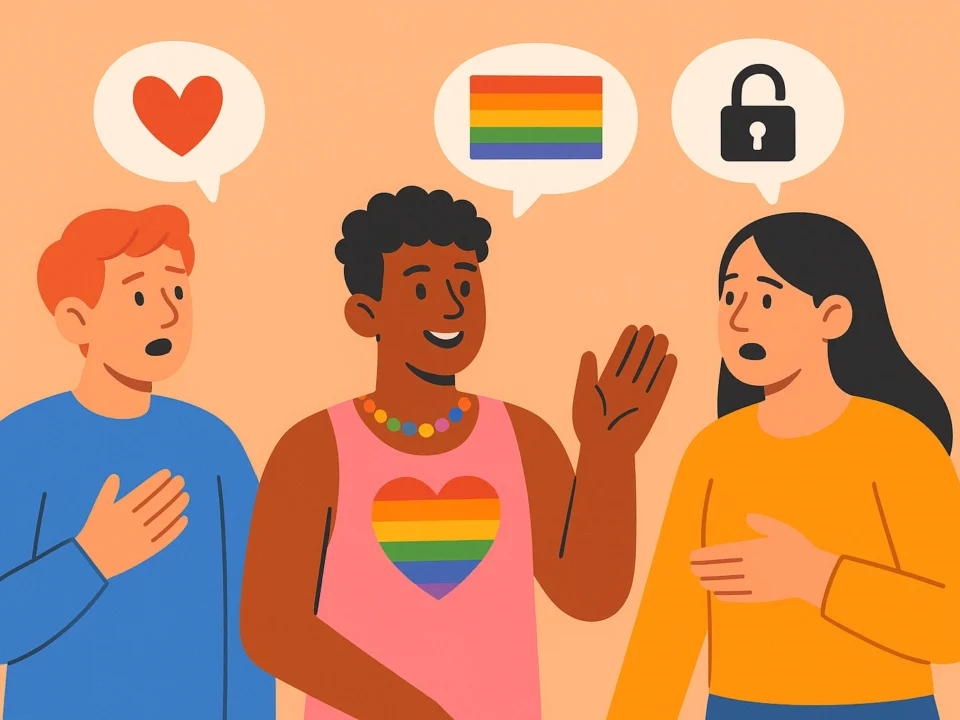
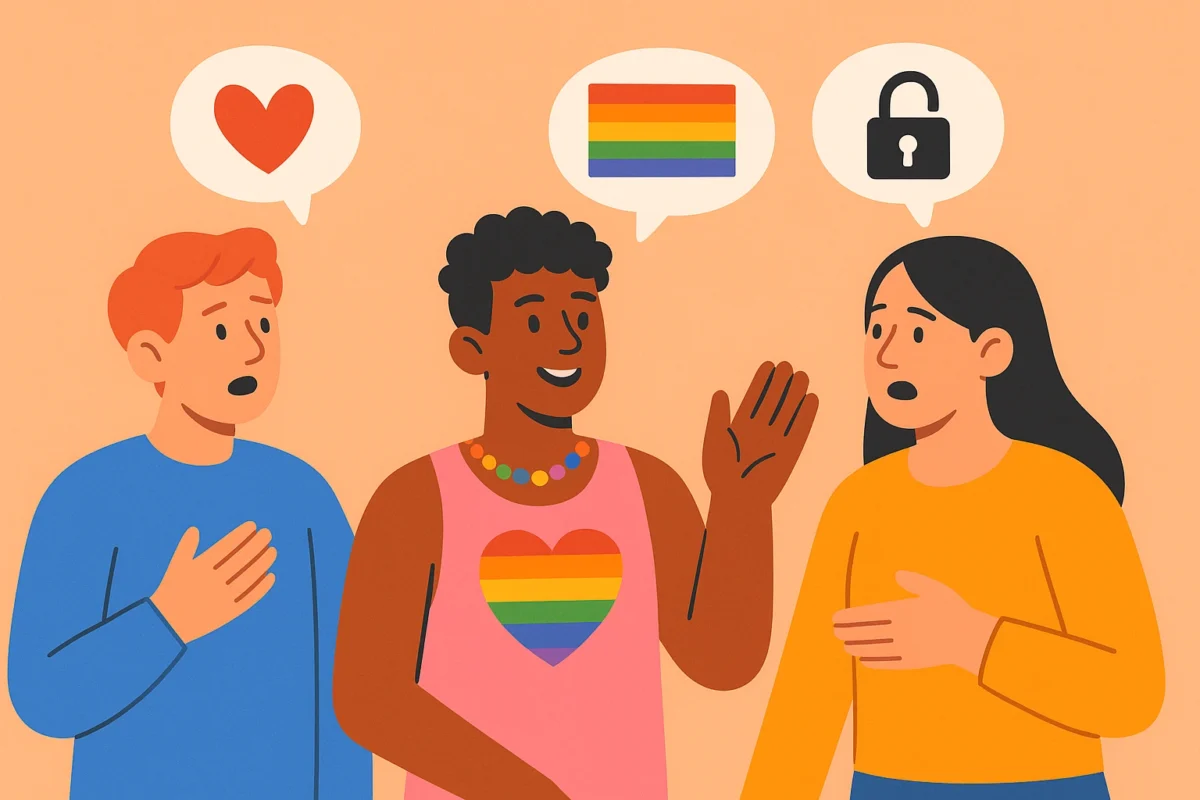
Supportive: “Thanks for telling me. I love you no matter what. How can I support you?” This is the dream scenario. Take it, appreciate it, and don’t question it. Some people are genuinely just cool.
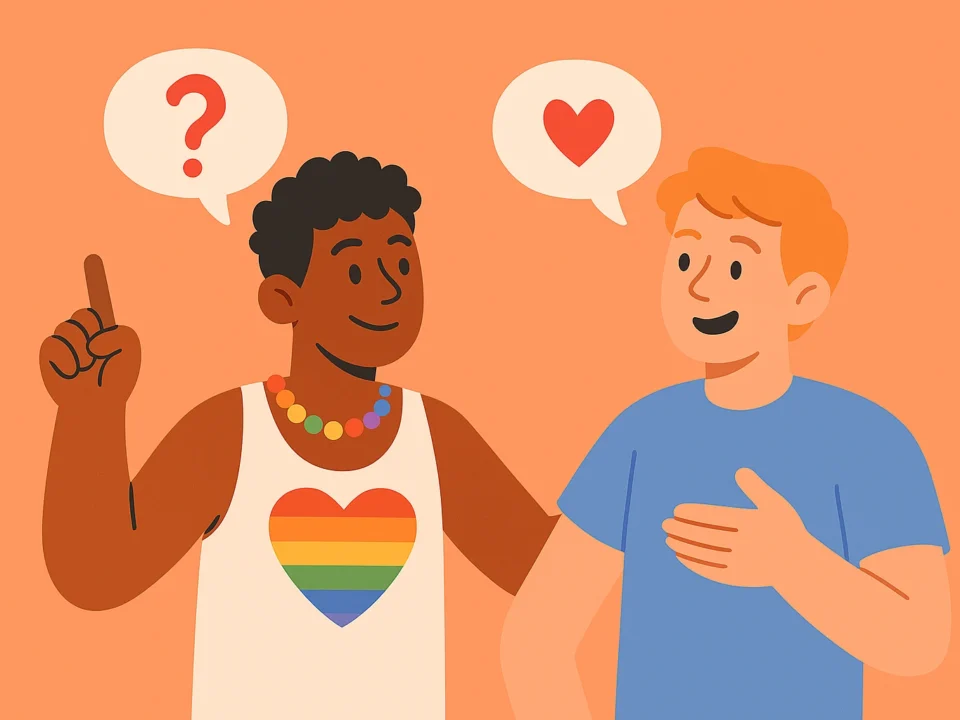
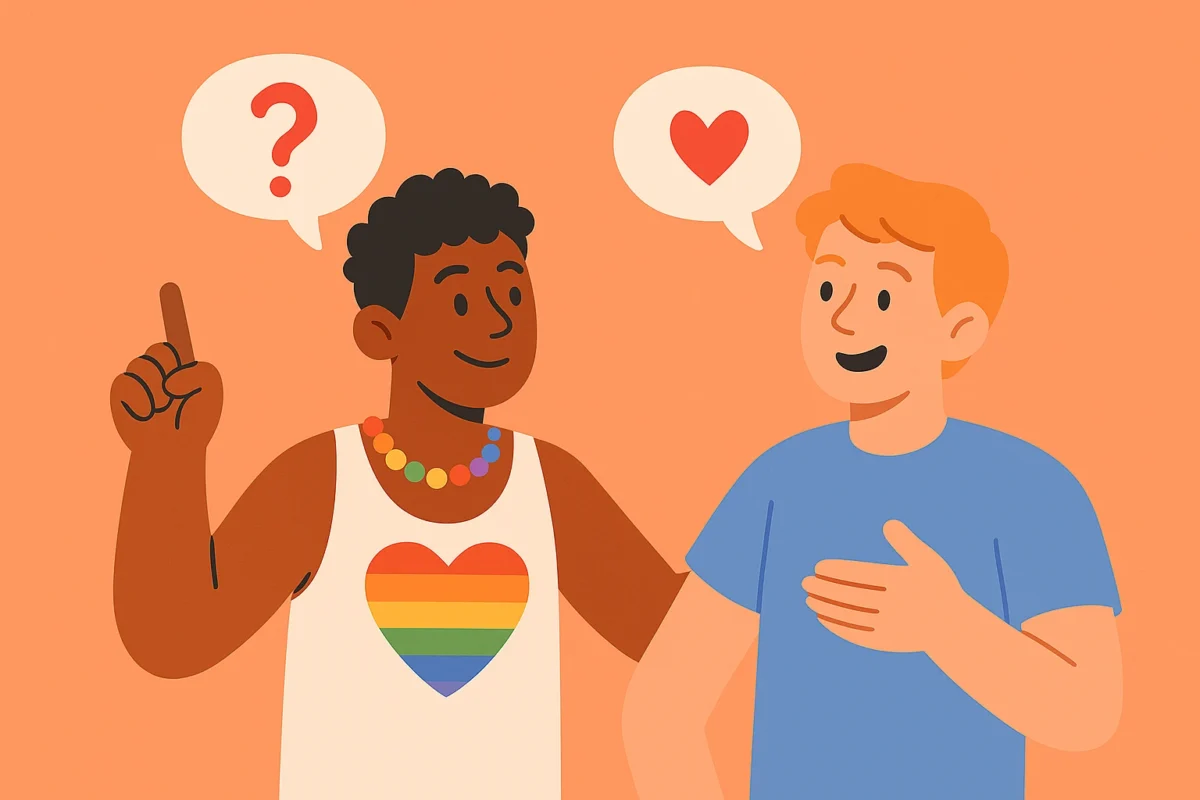
Confused but Trying: “I don’t really understand, but I want to learn.” This is actually pretty good. They’re not rejecting you; they’re just processing. Give them resources, answer questions you’re comfortable with, and give them time.
Shock and Silence: They just sit there. Say nothing. Stare. This is awkward as hell but doesn’t necessarily mean rejection. Some people need time to process information. Follow up in a few days.
“I Already Knew”: Slightly annoying but usually means they’ve been waiting for you to feel comfortable enough to say it. Try not to be mad that you stressed about this for months while they were already chill.
Denial: “No you’re not. You’re just confused/going through a phase/haven’t met the right person yet.” This one’s frustrating because they’re essentially telling you they know your own mind better than you do. Stay firm. “I understand this is new information for you, but I know myself, and I need you to trust that.”
Religious Objections: “I love you but I can’t support this lifestyle because of my faith.” Translation: “I’m choosing my interpretation of religion over my relationship with you.” This one hurts. You can’t logic someone out of religious beliefs, but you can set boundaries about what behavior you’ll tolerate.
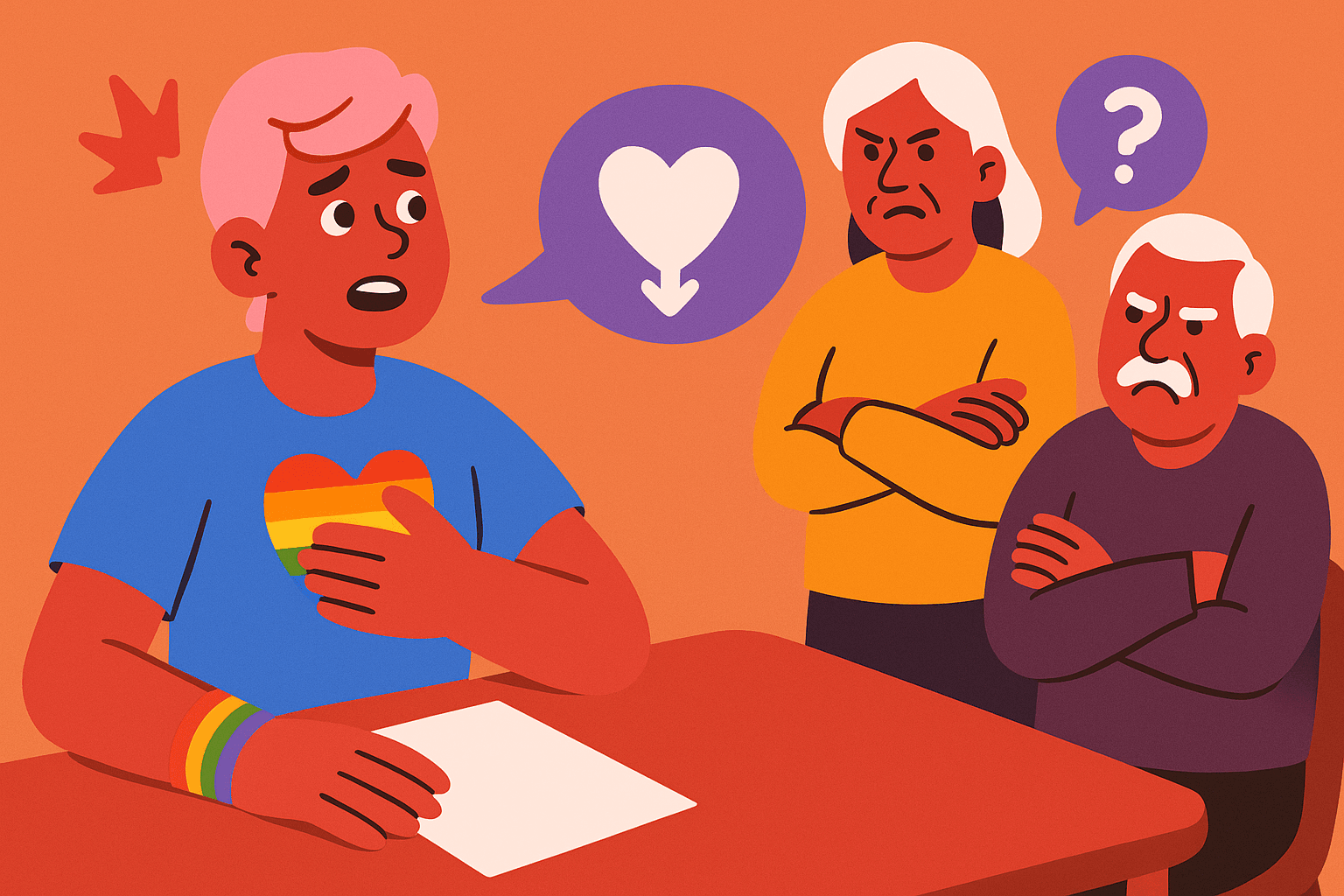
Anger and Rejection: “Get out of my house. I don’t have a gay child.” This is the nightmare scenario. If this happens, activate that safety plan we talked about earlier. Contact your support person immediately. Remove yourself from the situation.
Weaponized Coming Out: Sometimes people who seem initially okay later use your identity against you during arguments or tell people you didn’t want to tell. This is a betrayal, and you’re allowed to be angry about it.
Handling Negativity: Practical Tools
When someone reacts badly, your instinct might be to over-explain, justify, or convince them. Resist this urge. You don’t need to defend your existence.
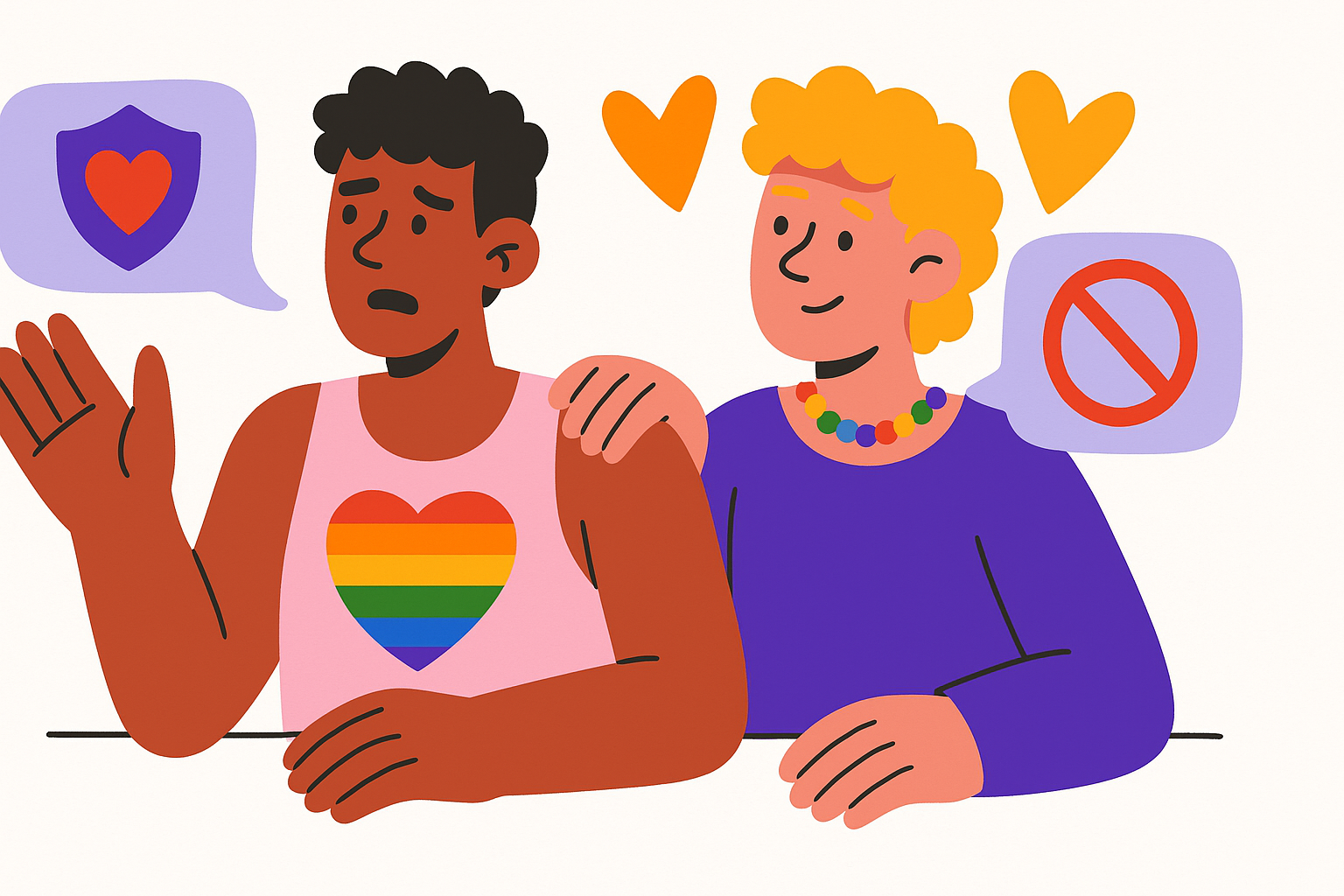
Set Clear Boundaries: “I understand you need time to process this, but I won’t tolerate insults or slurs. If you want to have a respectful conversation later, I’m open to it.” Then actually enforce this. If they cross the line, leave the conversation.
Have Prepared Responses: You don’t need to improvise everything in the moment. Prepare responses to common objections:
- “It’s not a choice” / “I understand you might think that, but my experience is that this is who I am.”
- “What about having kids?” / “There are many ways to have a family, and that’s something I’ll figure out if and when I want to.”
- “You’re too young to know” / “I’m old enough to know myself better than anyone else does.”
Know When to Walk Away: Not every conversation needs to be finished. If it’s getting heated, if you’re feeling unsafe, or if they’re just repeating the same arguments in circles, it’s okay to say, “I don’t think this conversation is productive right now. I’m going to leave.”
Document Everything: If you’re dealing with threats, keep records. Screenshots of texts, recordings of voicemails (where legal), notes about what was said and when. This might seem paranoid, but if things escalate to needing a restraining order or dealing with housing discrimination, documentation matters.
Find Your People: LGBTQ+ support groups, both online and in-person, are invaluable. Organizations like The Trevor Project (1-866-488-7386) offer 24/7 support. PFLAG has chapters nationwide that offer resources for both LGBTQ+ people and their families. Local LGBTQ+ centers often have counseling services, support groups, and social events.
Therapy Helps: If you can access it, working with a therapist who specializes in LGBTQ+ issues can help you process rejection, build resilience, and develop coping strategies. Many therapists offer sliding scale fees, and some organizations provide free counseling.
Give It Time, But Not Forever: Some people do come around after initial negative reactions. Parents who initially reject their kids sometimes educate themselves and rebuild the relationship. But this isn’t guaranteed, and you shouldn’t wait forever for someone to accept you. At some point, you might need to accept that some relationships have changed permanently and focus on building chosen family instead.
Coming Out Is Your Choice, Not Your Obligation
Here’s what they don’t tell you in those inspirational coming-out narratives: you don’t have to do this.
If you’re not safe, if you’re not ready, if you simply don’t want to—you don’t have to come out. Anyone who tells you that you’re “living a lie” or “being inauthentic” can kindly mind their own business. Your safety and wellbeing come first, always.
Coming out isn’t a singular event that marks you as brave or authentic. It’s a series of decisions you’ll make throughout your life, and each one should be on your own terms. Some doors you’ll open wide. Others you’ll keep closed. Both choices are valid.
The closet isn’t a character flaw. It’s a survival strategy that many LGBTQ+ people use in contexts where being out would be dangerous or disadvantageous. You can be out to your friends and closeted at work. You can be out online but not to your family. You can be selectively out for decades if that’s what works for your life.
What matters is that you have agency in these decisions. When you do choose to come out, do it because you want to, not because you feel you should. Do it when you’re ready, when you’re safe, and when you have support in place.
And remember: however people react, it says everything about them and nothing about your worth. You’re not too much, not too difficult, not asking for too much by wanting to be known as you are. The right people will rise to the occasion. The ones who don’t? They’re showing you who they are. Believe them, and invest your energy in the people who actually show up for you.
Coming out can be liberating, connecting, and affirming. It can also be disappointing, painful, and complicated. Often, it’s all of these things at different times with different people. That’s real life—messy, imperfect, and entirely yours to navigate on your own terms.

James Wilson
James Wilson holds a Ph.D. in Psychology from Columbia University, where he specializes in human sexuality research. With 12 years of clinical experience counseling individuals exploring their sexual orientation, he has authored two books on sexual identity development. Dr. Wilson serves on the board of the American Psychological Association's Division 44 and frequently conducts workshops for healthcare providers on culturally competent care for LGBTQ+ individuals.