06.11.25
How to Have Honest Conversations About Monogamy, Polyamory, and Open Relationships
Last Updated 30.10.25
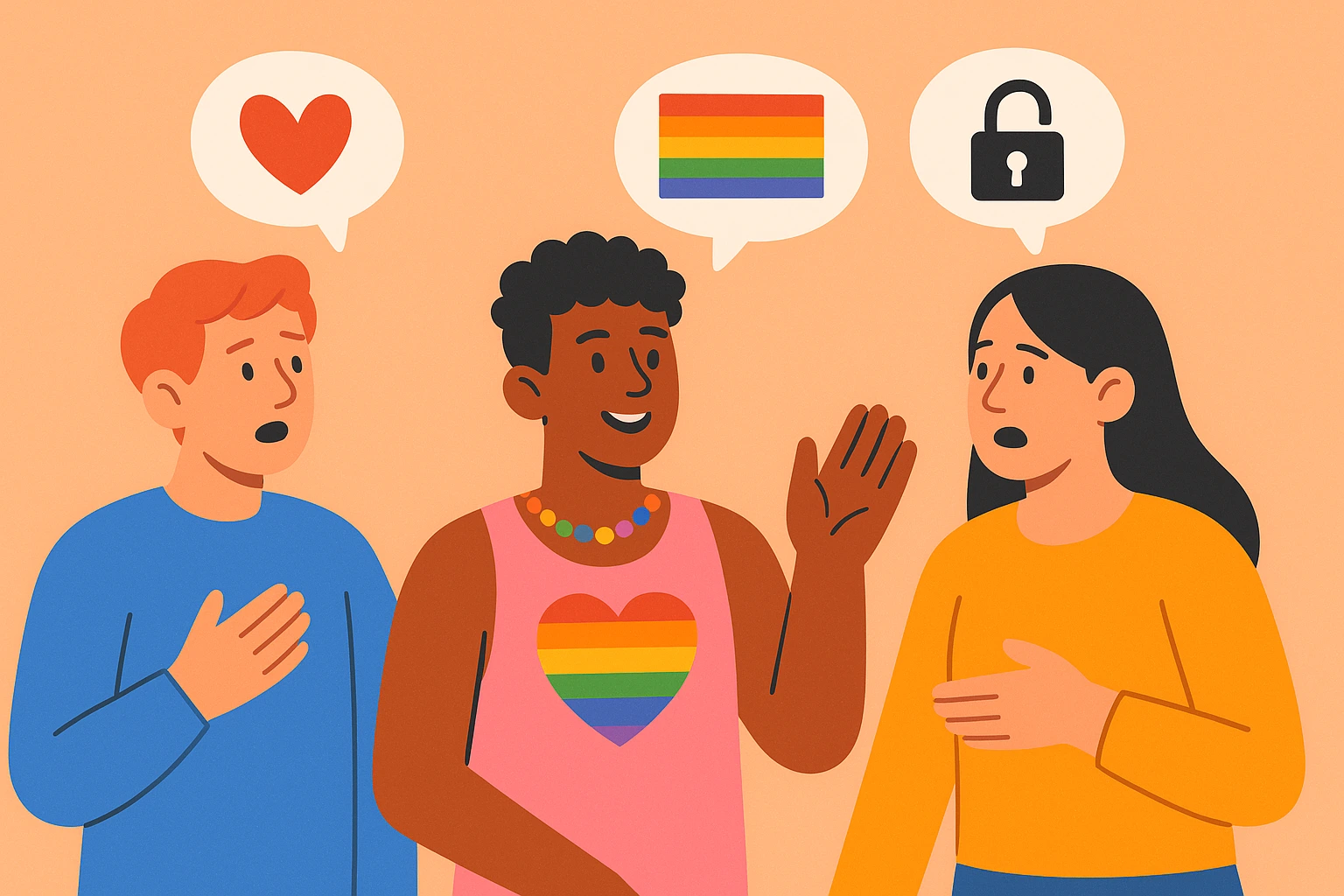
Here’s the thing nobody tells you: deciding how your relationship works is both liberating and terrifying. For LGBTQ+ folks, there’s this weird paradox where we’ve already thrown out the heteronormative playbook, but then we’re stuck wondering which rules actually matter and which ones we just inherited from a world that wasn’t built for us anyway.
You’re not broken if you want monogamy. You’re not enlightened if you want polyamory. You’re just a person trying to figure out what works for your specific life, with your specific partner(s), in your specific circumstances. And that requires some seriously uncomfortable conversations.
Why LGBTQ+ Couples Often Explore Different Models
Let’s be real: queer relationships already exist outside the traditional framework. We don’t have the same cultural scripts, the same family pressure, or the same assumptions about what a relationship “should” look like. That’s both a gift and a burden.
The gift? More freedom to design relationships that actually fit us. The burden? No roadmap, which means we have to figure out everything from scratch, including whether monogamy is something we genuinely want or just something we absorbed from rom-coms and wedding magazines.
Many LGBTQ+ communities have long histories of relationship diversity—not because we’re inherently more “free” or “evolved,” but because when society already treats your love as illegitimate, you stop caring as much about society’s rulebook. Gay men, in particular, have explored open relationships for decades, though that’s often been stigmatized both outside and inside the community. Queer women, trans folks, and non-binary people are increasingly having these conversations too, recognizing that there’s no single “right” way to do relationships.
The Basics: What These Terms Actually Mean
Monogamy means you’re romantically and sexually exclusive with one person. Pretty straightforward, though people define “exclusive” differently—some couples consider flirting or porn a boundary violation, others don’t.
Polyamory means having multiple romantic relationships simultaneously, with everyone’s knowledge and consent. This isn’t cheating with permission; it’s about loving more than one person, with emotional investment, time, and care distributed among partners.
Open relationships typically mean a committed primary partnership where both people can have sexual (but not necessarily romantic) connections with others. The rules vary wildly—some couples do it together, some separately, some only when traveling, whatever.
Ethical non-monogamy is the umbrella term covering all consensual non-monogamous arrangements, including polyamory, open relationships, swinging, relationship anarchy, and other models.
None of these is inherently better or worse. They’re just different frameworks, and what matters is whether everyone involved is on the same page and getting their needs met.
Step 1: Figure Out What You Actually Want
Before you talk to your partner, you need to talk to yourself. And I mean really talk, not just surface-level “what sounds good in theory.”
Ask yourself:
- What am I hoping to get from a non-monogamous arrangement? More sex? Different kinds of intimacy? Personal freedom? To explore my sexuality?
- Am I interested in this because I genuinely want it, or because I think I “should” be less possessive/jealous/traditional?
- Am I hoping non-monogamy will fix problems in my current relationship? (Spoiler: it won’t)
- How much time and emotional energy do I realistically have for multiple connections?
- What scares me most about this? What excites me most?
Write this stuff down. Be brutally honest. If you’re considering non-monogamy because you’re bored but don’t want to break up, own that. If you’re scared your partner will leave you if you don’t agree to open things up, that’s crucial information.
Also consider: are you interested in polyamory specifically, or just sex with other people? Do you want to know details about your partner’s other connections, or would you prefer a “don’t ask, don’t tell” approach? These distinctions matter enormously.
Step 2: Starting the Conversation Without Accusations
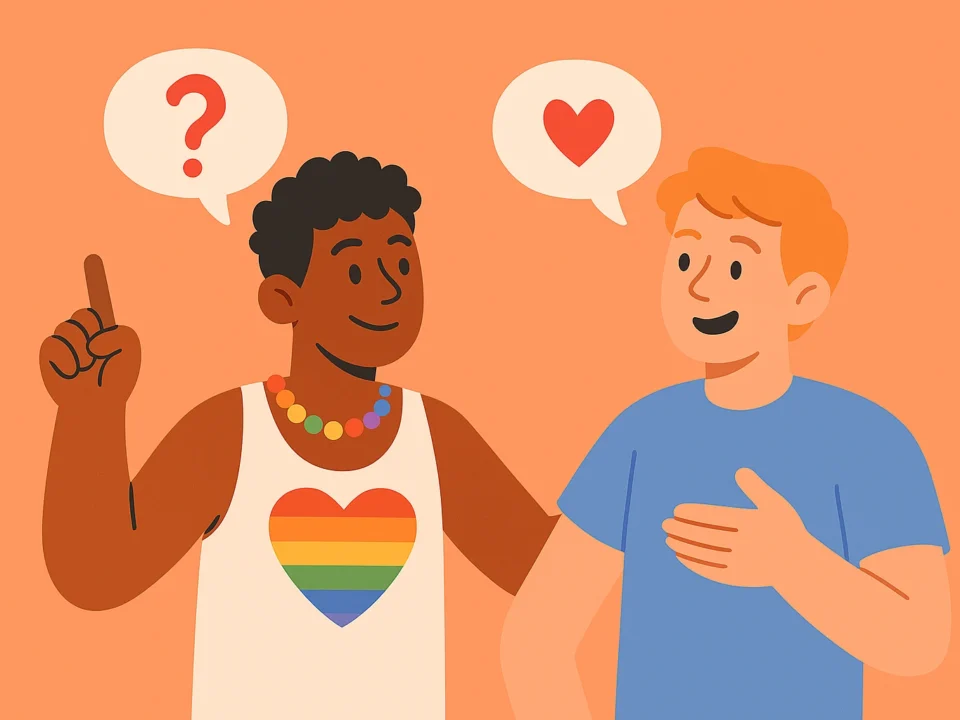
Okay, so you’ve figured out what you want. Now comes the hard part: actually saying it out loud.
Here’s what NOT to do:
- “I’ve been thinking we should open up our relationship” (ambush)
- “Everyone our age is polyamorous, what’s wrong with you?” (manipulation)
- “I’ve already met someone and I want your permission” (too late, buddy)
Here’s what might work:
- “I’ve been thinking about our relationship structure, and I’d like to have an honest conversation about it. Is now a good time?”
- “I’ve noticed some friends exploring non-monogamy, and it’s got me thinking about what we want. Can we talk about our assumptions?”
- “I love what we have, and I’m curious whether we’ve ever really discussed if monogamy is something we both actively chose or just defaulted to.”
Set aside real time for this. Not a 10-minute chat before bed, not during dinner. Make it clear you’re not threatening the relationship or issuing ultimatums—you’re opening a conversation.
And critically: be prepared for any response. Your partner might be intrigued, relieved, horrified, or completely caught off guard. All of those reactions are valid.
Step 3: The Language of Trust—Talking About Boundaries and Fears
Once you’re both actually talking, things get messy fast. This is where most couples either build something strong or discover their communication skills are worse than they thought.
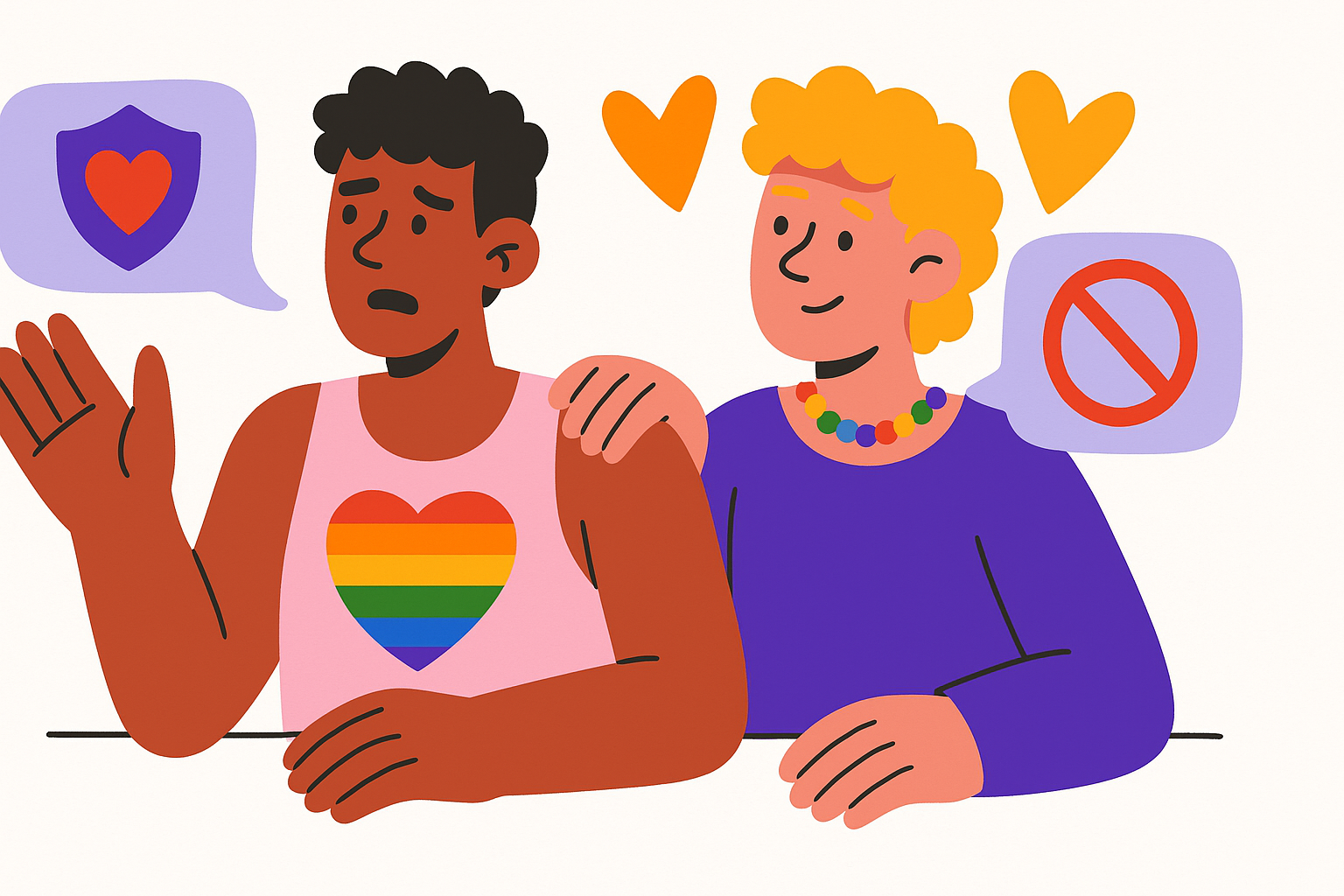
The goal isn’t to “win” the argument for your preferred relationship model. It’s to understand each other’s fears, needs, and boundaries.
Use “I” statements: “I feel scared that if we open up, you’ll find someone better” instead of “You’re going to leave me for someone hotter.”
Name your fears specifically:
- Fear of abandonment
- Fear of being compared sexually
- Fear of losing special status
- Fear of STIs
- Fear of time management (polyamory takes a LOT of time)
- Fear of jealousy overwhelming you
Your partner needs to do the same. Maybe they’re scared of being controlled. Maybe they’re worried you’ve already cheated and this is retroactive permission. Maybe they’re terrified of losing the relationship entirely.
Don’t minimize anyone’s fears. “That’s irrational” or “You shouldn’t feel that way” shuts down communication immediately. Instead: “I hear that you’re scared of X. Can you tell me more about what that would mean to you?”
Step 4: Setting Rules for Open or Poly Structures
If you both decide to explore non-monogamy, congratulations—now you need to actually figure out how it works. This is where theory meets reality and things get complicated.
Common boundaries couples negotiate:
- Who can you connect with? (Friends of friends? Exes? Coworkers? Complete strangers?)
- What activities are allowed? (Kissing? Sex? Overnight stays? Dating? Falling in love?)
- What needs to be communicated? (Every hookup? Just ongoing connections? Nothing unless asked?)
- What protection is required? (Barriers for all sexual contact? Regular STI testing? Fluid bonding with primary partner only?)
- How do you handle scheduling? (Date nights stay sacred? Fair distribution of weekend time?)
- What happens in social situations? (Do partners meet each other? Attend events together?)
Write these down. Seriously. “We’ll figure it out as we go” leads to hurt feelings and violated boundaries. You can always revise rules, but start with something concrete.
Also discuss what happens if rules get broken. Is that an immediate relationship-ender? A reason to close things back up? Something you work through?
Some couples try a trial period: open for three months, then reassess. Others prefer a “one step at a time” approach: flirting first, then maybe kissing, then maybe more. Do what feels manageable.
Step 5: Jealousy Is Normal—Here’s How to Handle It
Let me be clear: if you do non-monogamy, you will probably feel jealous at some point. People who claim they’ve “transcended” jealousy are either lying or haven’t encountered the right trigger yet.
Jealousy isn’t a moral failure. It’s information. The question is: what’s it telling you?
Sometimes jealousy means a boundary was crossed. Sometimes it means you’re insecure about something unrelated to the relationship. Sometimes it’s grief over losing exclusivity. Sometimes it’s fear dressed up as anger.
When jealousy hits:
- Don’t spiral alone. Talk to your partner (or a friend, or a therapist).
- Get specific. “I feel jealous” is less useful than “I feel scared that you liked sex with them more than sex with me” or “I’m angry that you stayed out three hours longer than you said.”
- Distinguish between “I need reassurance” and “I need you to change your behavior.”
- Remember that your jealousy is your responsibility to manage, but your partner’s responsibility to care about.
Your partner should respond to jealousy with curiosity and compassion, not defensiveness. “You’re being ridiculous” or “I thought you were fine with this” helps no one. Better: “Thank you for telling me. What do you need right now?”
Sometimes jealousy means non-monogamy isn’t working. That’s okay. You tried something, it didn’t fit, you can close things back up. That’s not failure—it’s learning.
Step 6: When You’re Stuck—Getting Professional Help
If you’re having the same argument repeatedly, or if one person feels coerced, or if you just can’t seem to hear each other, it’s time for outside help.
A good therapist (especially one experienced with LGBTQ+ clients and non-traditional relationship structures) can:
- Help you identify underlying issues you’re not seeing
- Teach better communication skills
- Hold space for difficult emotions
- Help you figure out if your relationship can accommodate both people’s needs
Look for therapists who explicitly mention working with non-monogamy or relationship diversity. Plenty of therapists will unconsciously push you toward monogamy because that’s their default framework.
And here’s something important: therapy isn’t just for when things are falling apart. Some couples do “check-in” sessions periodically to make sure they’re still aligned. Think of it as relationship maintenance, not crisis intervention.
The Bottom Line: Honesty Beats Everything
Whether you end up monogamous, polyamorous, open, or something else entirely, the real skill is learning to talk about hard things without running away or attacking.
Queer relationships have always required more intentionality than straight ones—we don’t get to coast on default settings. That’s exhausting sometimes, but it’s also powerful. You get to actually choose what your relationship looks like instead of inheriting someone else’s template.
The conversations about relationship structure never really end, by the way. What works at 25 might not work at 35. What works when you’re long-distance might not work when you live together. People change, circumstances change, needs change.
The goal isn’t to find the perfect relationship model and lock it in forever. It’s to build a relationship where both people can be honest about what they want, even when that’s scary, even when that means acknowledging that you want different things, even when that risks everything.
That’s the real work. Not deciding between monogamy or polyamory, but deciding to keep showing up honestly, again and again, no matter how uncomfortable it gets. Do that, and you’ve got something worth keeping—whatever form it takes.

Morgan Taylor
Morgan Taylor holds a Ph.D. in Gender and Sexuality Studies from UC Berkeley, where she serves as an associate professor in Sociology. With over 15 years researching LGBTQ+ history and community development, Dr. Taylor has published in academic journals and worked as an educational consultant for organizations like GLAAD and The Trevor Project. Outside academia, she mentors LGBTQ+ youth and speaks at conferences, believing that education creates more inclusive communities.